
Goodbye oil from tuna to canned tuna: a choice consumers like
For companies it is a strategy dictated by the explosion of olive oil prices, but thanks to convenience, zero waste, healthiness and sustainability it has become a trend in purchasing

3' min read
3' min read
Oil, who has seen it? At least in vegetable and fish preserves where there is less and less of it. A choice dictated by reasons of containing production costs, given the boom in the price of olive oil (up +130% in a couple of years) but which branded companies have then reinterpreted in marketing terms, making a virtue of necessity.
Hence the launch (and success) of products with claims such as 'less oil' (even 70% less than the standard tin of tuna) or with very explicit brands such as 'Zero Oil'. A message that pleases the Italians, who are attentive to the reduction of fat and calories, but also won over by the convenience of not having to drain tuna or preserved vegetables. And sensitive to the idea of avoiding waste, since in most cases the oil contained in jars and cans is discarded and, if not properly disposed of, ends up damaging the ecosystem.
The success of the new products
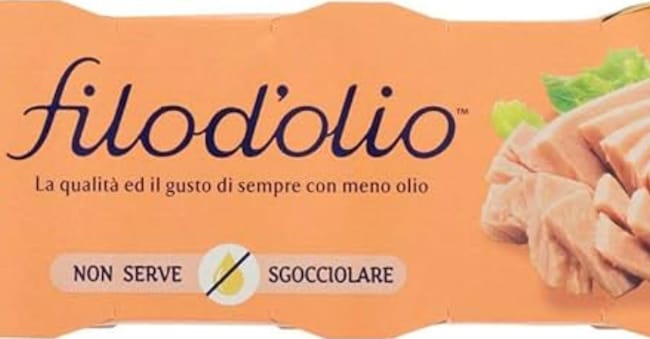
.So, healthiness, convenience, zero waste and sustainability are the winning characteristics that, especially in the last two years, have pushed Italians to prefer canned products with less oil or without it altogether. Like the Filod'olio tuna from Rio Mare, which in 2023 exceeded €30 million in sales. "Discovering from our research that in Italy more than 80 per cent of tuna consumers drain the oil from their cans, in 2018 we developed a product that has just enough oil to keep the tuna tender and firm," explains Roberto Merati, general manager of Bolton Food.- Today we can say it was a great insight and a real success, as it grew at an average compound annual rate (Cagr) of 20 per cent between 2019 and 2023.
The supply of tuna with less oil has increased year by year and today most brands (from AsdoMar to Nostromo) have adopted this formula that seems to bring everyone together: producers, consumers and the environment. The former can reduce the effect of the maxi-increase in olive oil prices (+50% on average in the EU), dictated by the combination of climate change, drought and pathogens, which has reduced production and driven up prices, so much so that for olive oil packers olive oil has become the second cost item after packaging.
"Decreasing the oil content of canned fish but without reducing the quantity of fish was a choice that also met the preferences of consumers, who are oriented towards a balanced diet and are committed to avoiding waste," comments Giorgio Rimoldi, Director General of Ancit (National Association of Fish Canning and Tuna Processing).

