

Eye diseases: over 350 gene therapy trials rewrite the future of vision
From retinal dystrophies to age-related macular degeneration and retinitis pigmentosa: new treatments are rewriting the history of eye diseases and research is already looking at editing and optogenetics
by Francesco Bandello *, Stanislao Rizzo **, Mario Romano ***
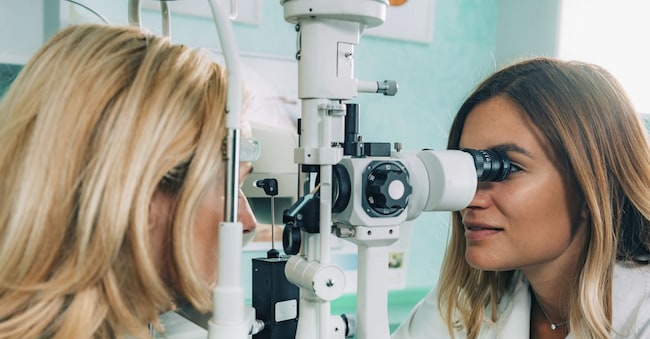
Gene therapy, one of the greatest biomedical revolutions of our time, is producing impressive and promising growth in clinical activity in the field of ophthalmology. For decades, many hereditary and acquired diseases that threaten vision were considered a doom, manageable at best with palliative care. Today, a new frontier of medicine is rewriting the history of these diseases, offering increasingly targeted and lasting solutions. And this will be one of the major themes that we will be addressing in these days at the congress of the Italian Society of Ophthalmological Sciences (Siso)-Italian Association of Ophthalmic Physicians (Aimo) in Rome.
The debut in 2017
The first 'gene-drug' for a genetic disease, Voretigene Neparvovec (Luxturna), approved in 2017 by the Fda, paved the way for a rapidly expanding field of research. Globally, the eye is currently the target of more than 350 active or completed clinical trials using gene therapy to treat a wide range of disorders. According to data as of March 2025, 20 trials had not yet started recruitment, 160 were ongoing, 118 completed and 22 withdrawn or discontinued.
The eye as 'model'
The eye is considered a particularly favourable organ for gene therapy due to its relatively isolated nature, which limits the spread of the gene vector to other organs, and the small doses of drug required. This localisation drastically reduces side effects, making the approach not only effective, but also remarkably safe.
The intense clinical activity reflects the success of this 'eye model': the number of trials for hereditary retinal dystrophies has exceeded 60, with an increasing number of studies moving from early safety to efficacy phases. Several protocols, especially those targeting hereditary dystrophies, are now in Phase III, the last one before potential regulatory approval. Research has already identified more than 250 genes whose mutations are associated with inherited eye diseases, providing a vast catalogue of targets for future gene therapies.
Change patients' lives
We no longer speak only of hopes, but of advanced or already approved treatments that are transforming patients' lives. The success in hereditary retinal dystrophies - a group of rare diseases such as Leber's congenital amaurosis, caused by a single genetic defect - is the most significant example. In some cases, as with the drug Luxturna, a single subretinal injection can restore visual function in children and young adults.

