
Ferrari SF-26, year zero: Maranello starts again with a new Formula 1

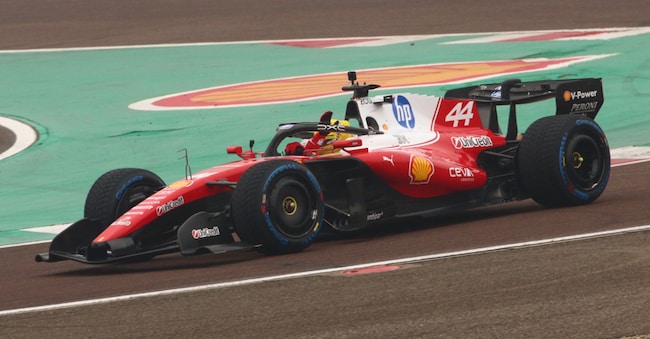
the SF-26 single-seater was unveiled this morning on a Fiorano track that gave back, as always, the most authentic sense of the bond between Ferrari and its fans: those with a capital T, whom everyone envies. A palpable affection, also made up of young people, with many schools in the area officially involved, testifying to how Maranello continues to be a reference point that goes beyond Formula 1.
The debut of Ferrari's Formula 1 number 72 takes on a special, perhaps unique, significance in this century. It will be a car of a truly watershed year. In 2000 the Scuderia was at the beginning of the unrepeatable era of Michael Schumacher; since then, with the exception of Kimi Raikkonen's world title and the only close championships with Fernando Alonso and Sebastian Vettel, the path has been marked by a slow and steady competitive decline. Now it is time to return to winning performances: this is what the car world, the investors, the fans are asking for.
With the arrival of the revolutionary 2026 regulations, expectations could not be higher. But the SF-26 was not born to fuel slogans or promises: it is Ferrari's first concrete response to a Formula One that is changing its skin radically.
Fortunately, many would say, the overall aesthetics have not changed 'too much'. Although on closer inspection, the livery has undoubtedly been revised in a cleaner key, where red remains the protagonist and, on the sponsor front, the long-awaited strengthening of the global partners already present has seen a targeted reinforcement of HP in particular, but without the impact seen last Miami, which had triggered criticism for the large presence of blue. Now, instead, the white background prevails.
On the track lap, however, novelties emerge that can be read as a new sensory identity, common to the single-seaters of this generation. The different balance between the electric component, turbo management and active aerodynamics gives a less muffled car, with a more 'whistling' acoustic signature: not an aesthetic detail, but the direct reflection of faster airflows, more marked energy transitions and less filtered mechanics than in the past.


