
FAO: Fisheries and aquaculture increasingly vulnerable to food fraud
FAO report: cases of fakes, adulterations and false labels on the rise. Mussels and sea bass in Italia under the lens

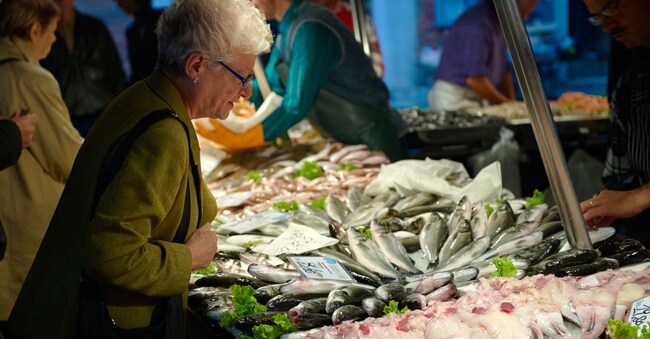
Starch compounds passed off as shrimp, surimi sold in place of crab meat, tilapia 'masquerading' as red snapper, tuna disguised with dyes to give it a fresher appearance. The fisheries and aquaculture sector (185 million tonnes of products sold, for aturnover of $195 billion), is also extremely vulnerable to food fraud, due to the diversity of species traded (over 12 thousand) and the involvement of multiple inspection authorities along international supply chains.
Species substitution, adulteration, counterfeiting and misrepresentation of origin, or of production methods, are the most frequent cases cited by the FAO in the report presented today, but there are also cases of distribution of legitimate products outside their destination markets, wrong or tampered with labelling (especially on information regarding sustainability and the product's expiry date) . These actions," writes the FAO, "pose serious risks to public health, consumer confidence, and marine conservation, and yet economic gain in some cases prevails.
Splitting Atlantic salmon - almost all of it farmed - as Pacific salmon, most of it caught in the wild, early $10 per kilogram. Adding water to unprocessed fish products to increase their weight also raises the price.
Some fishing fraud is carried out to disguise the geographical origin of a product, or to suppress evidence of landings beyond the legally permitted quota (with consequences for the sustainability of fish stocks).
In the approximately 200-page report, Italy uses two examples as examples: farmed sea bass or branzino passed off as caught and foreign mussels sold as Italian. "In December 2024, imported farmed sea bass, weighing from 400 g to 600 g, from Greece and Turkey were sold on the Roman wholesale market at 6.80 euro/kg and 4.20 euro/kg respectively," write the FAO experts. In comparison, Italy's farmed fish of the same size cost an average of €12.50/kg, almost twice the price of Greek fish and three times that of the fish of origin; even more when sold as wild caught. "With aquaculture providing an increasing share of seafood to the world's population, farmed fish products have become more accessible and affordable," the report states. "However, consumer preferences for wild fish products, combined with price differences between farmed and wild fish products, have created strong incentives for mislabelling."
In Europe, the study also focuses onmussels, which are often passed off as national or Italian, even when they come from abroad. "The production of this species, which in Italia is mainly sold fresh, is not sufficient to meet national consumption demand," writes the FAO, and Italy's imports of mussels, mainly from Spain and Chile, have reached 73,000 tonnes.

