
Fashion industry, a platform to certify supply chain transparency
The app that records supplier data on a voluntary basis is ready for debut. The Milan Protocol will be a reference point for the attestation of legality

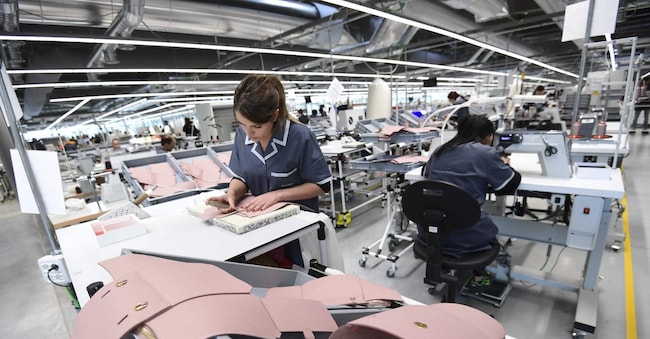
The 'Supply Chain Platform in the Fashion Industry', the transparency certification of the supply chain created under the aegis of the Court of Milan and an integral part of the Protocol signed in May last year, is ready to make its debut and may soon start registering voluntary applications from virtuous companies.
What it will do and how it can be accessed
The IT platform was presented at the technical table set up at the Prefecture of Milan to representatives of the supply chain, and it is likely that at the end of April companies will be able to start registering, obviously on a voluntary basis. The annex of the Protocol of Milan will be able to trace the entire national luxury supply chain - and not only - and collect data and information on the production chains (documents related to labour law, tax, social security, health and safety at work, collective bargaining agreements applied) data from which alerts can be launched in the field of contrast al caporalato.
After a necessary initial verification of the application's functionality, all companies will be able to join the platform in order to obtain, if all parameters are met, the transparency certificate in the fashion sector as provided for in the protocol.
A necessary tool
This is an epoch-making turning point for the fashion industry, which since January 2024 has realised at its own expense - with an escalation of commissioning adopted by the judicial authorities - as models 231, company processes regarding supplier selection, appropriate organisational structures constant compliance activity as well as surprise on-site audits are the now necessary and no longer postponable tool for healthy, transparent and cutting-edge businesses also in ESG policies.
After the deletion of Article 30 of Ddl 1484 'Urso', which introduced a supply chain certification in the fashion sector but with the extension of a exemption of responsibility to principals - a problematic hypothesis in terms of systemic compatibility - and with some criticality in the definition of the supply chain as well as of the possible certifying bodies (risks that the controlled could choose the controller), the platform will be the only useful tool to trace the supply chain. A tool that, with any corrections, including data analysis, could become the basis for the resumption of the legislative path of supply chain certification for the legality and transparency of Made in Italy.


