
Feed, production and research up but decline in breeding concerns
Assalzoo Assembly: Turnover at 10 billion and investments increased from 100 to 150 million, but the national supply ratio for cattle and pigs, as well as for raw materials such as maize, soya and wheat, worsens

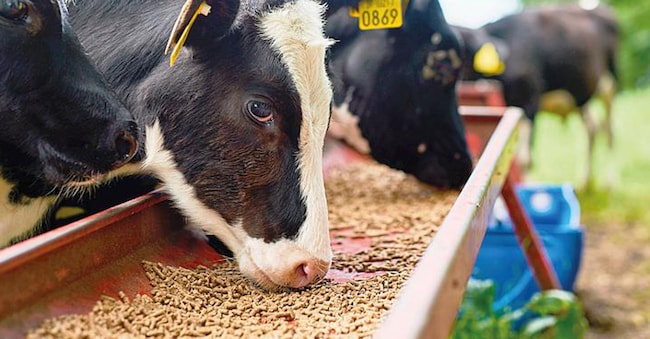
Raw material declines are squeezing the national feed industry's turnover below 10 billion, but the "FeedEconomy" is in good health thanks to the more than proportional drop in production costs. Thus the sector is aiming to increase resources for research and innovation - gross fixed investments rose last year from 100 to 150 million - to face the challenges that are testing the livestock supply chain, from the climate crisis to health emergencies, in a context in which environmentalists' attacks on the sector are multiplying, with repercussions also on European regulations (see the emissions directive). The aim is to further increase the export contribution of quality products, also to support a domestic production that is suffering from 40 to 60% deficits in livestock farming, with the sole exception of the poultry sector.
The feed sector is 'an engine of development, innovation and safety along the entire national livestock chain. Feed is the first link in a vital chain that reaches our table. The welfare of animals, the quality of meat, milk and eggs, and consequently the excellence of Made in Italy agrifood products depend on its formulation," said the Minister of Enterprise and Made in Italy, Adolfo Urso, at the presentation of the third Nomisma report on the FeedEconomy on the occasion of the 80th anniversary celebration of Assalzoo, the national feed industry association. "The commitment that must be renewed," he added, "is that of continuing to invest in research in order to create increasingly cutting-edge products and solutions, capable of responding not only to the needs of the market, but also to those of our own wellbeing and that of the planet.
Zootechnics in search of balance
Despite the increase in production to 15.5 million tonnes, the turnover of the Italian feed industry has dropped by about 3% last year, from 10.3 to 9.87 billion. To these, the report points out, must be added 9.2 billion related to the production of cured meats, 22.7 from fresh meat and 27.8 from the dairy sector, bringing the total turnover of industrial production related to animal husbandry to almost 70 billion, 37% of national food & beverage.
Upstream of the chain, livestock production exceeded 25 billion (22.1 from breeding and 2.9 from the cultivation of raw materials for the feed industry). The total exports of the FeedEconomy - an 'ecosystem' of 820 thousand companies with one and a half million direct employees - reached 11.6 billion; the production of PDO and PGI of animal origin is worth 9.2 billion, retail and catering (47.4 and 32.3 respectively) almost 80 billion, 17% of the national total.
However, Italy is structurally deficient in the supply of soya and maize (as well as wheat), key commodities for the feed industry. If for soya the deficit has always been high, "the situation has become particularly critical for maize," explained Ersilia di Tullio of Nomisma, "which has fallen below 50% self-supply, with national production worth 3 billion against 5.5 billion for imports.

