
Fer X, Gse accelerates auction: 'Renewables cheaper'
The company releases the first data on the bids: final results by the end of November. Vigilante: 'This is how we start concrete forms of decoupling'
Key points
Il Gse punta ad accelerare la messa a terra degli esiti dell’asta del FerX transitorio dedicato a impianti fotovoltaici ed eolici in modo da velocizzare anche l’impatto positivo che si rifletterà sulla bolletta pagata da famiglie e imprese. Per questo, la società controllata dal Mef - che sta lavorando, su questo fronte, in stretta sinergia con il+ ministero dell’Ambiente e della Sicurezza Energetica e il suo titolare Gilberto Pichetto Fratin - ha deciso di diffondere entro fine novembre la pubblicazione delle graduatorie finali, ma soprattutto, nell’ottica di una comunicazione chiara e trasparente agli operatori, di anticipare i dati della partecipazione alla procedura: «La misura - spiega a Il Sole 24 Ore l’ad del Gse, Vinicio Mosè Vigilante - è un punto di snodo per il mercato delle rinnovabili in Italia e per l’intero sistema energetico nazionale. L’asta ha registrato un grande interesse, ma soprattutto si inizia a vedere uno spiraglio per il trasferimento del contenimento dei prezzi di
Photovoltaic forks
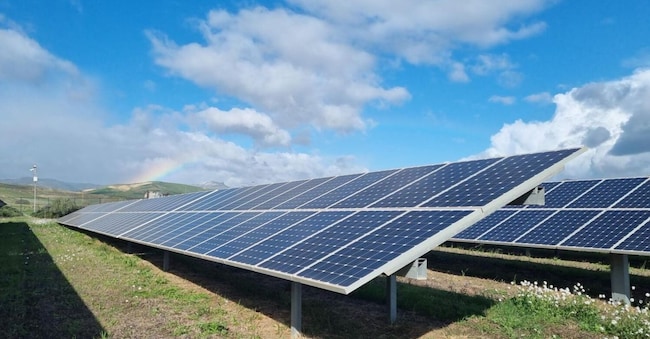
Gli esiti definitivi saranno diffusi nelle prossime settimane, ma le forchette di prezzo contenute nelle offerte - che sono state formulate, come noto, dovendo indicare un ribasso rispetto al prezzo di esercizio superiore (il livello base indicato nel bando) - forniscono già un’indicazione piuttosto puntuale di quale sarà l’asticella a conclusione del percorso. Ed eccoli i range di partecipazione per quanto attiene gli impianti superiori a 1 megawatt di potenza (al di sotto, come noto, si accede direttamente agli incentivi senza il passaggio da gare o aste). Per il fotovoltaico il Gse ha ricevuto oltre 2,5 gigawatt (GW) di offerte sotto i 55 euro per megawattora, oltre 7 GW sotto i 60 euro per MWh e oltre 9 GW sotto i 65 euro per MWh. «Se guardiamo a questi valori - chiarisce Vigilante - l’incrocio tra la curva della domanda e quella dell’offerta si attesta tra 60 e 65 euro/MWh».
Ranges for wind power
As far as wind power is concerned, more than 450 MW arrived on the Gse's table below 73 euro per MWh (i.e. at an average price lower than the allocation price of the last wind power auction of the Fer1 decree). About 1.2 gigawatts of bids then came in below 80 euro per MWh, while about 1.5 GW came in below 82 euro per MWh. "Looking at this piece," Vigilante continues, "the crossover point, barring any surprises, should instead be between 73 and 80 euro per MWh.
Towards concrete forms of decoupling
The fate of the bids will be known, as has been said, in the near future, but Vigilante is keen to emphasise the sense of the entire operation: 'With this mechanism we are beginning to introduce concrete forms of decoupling the price of energy from the price of gas,' the manager points out, echoing a theme that has also been emphasised several times by the President of the Council, Giorgia Meloni. Downstream of the instrument, there will then be the two-way contracts that represent the operational junction of the auction and that the Gse will sign with the winning producers to cover any variations between the market price and the operating price (if the former is higher than the latter, the company led by Vigilante will collect the difference, if it is lower, the Gse will pay the difference).
Possible bill benefits
There is, however, another objective underlying the publication of these first data on participation, which Vigilante declines: "There is a great debate on this auction on the part of the market, also in order to better plan investment strategies. We are talking about a success story and we must fully exploit its potential and benefits. Which, according to the calculations made by the Gse, will also be significant for consumers: on the basis of current market prices, considering the mechanism of the two-way contracts of Fer X, one can estimate a benefit of about 450 million euro per year through the proceeds allocated to the Asos component of the system charges (through which resources are also recovered in the bill to cover the incentives for renewables).


