
Feta alarm, sheep pox endangers supplies (with price increase) of the famous Greek cheese
Around half a million sheep and goats are slaughtered in Greece, affecting the amount of milk available for processing. Imports to Italy increased by 40% in 2025 alone

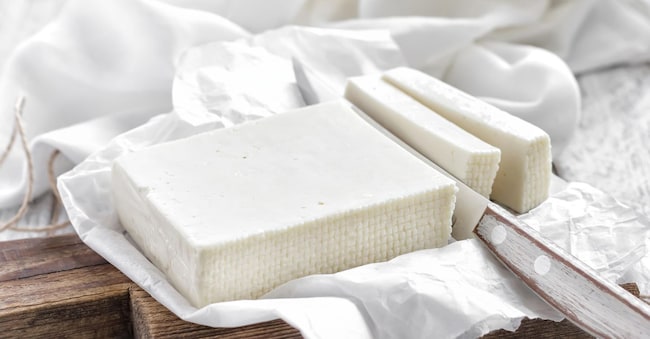
Stock shortages and temporary shortages on foreign markets: 2026 will be acritical year for the feta supply chain, due to a sheep and goat pox epidemic that has spread in Greece and resulted in the slaughter of about half a million sheep and goats, with a direct impact on the amount of milk available for PDO processing.
The first smallpox case dates back to 2024 and has been escalating ever since. The protocol calls for the culling of all herds where an episode is reported: it has come to eliminate 5% of the total national herd.
According toAssolatte in Il Sole 24 Ore, a sector of 700-750 thousand tonnes of sheep's milk and 160-180 thousand tonnes of goat's milk, which together support an annualdairy production of 200-230 thousand tonnes and on which depend a dairy export worth almost 1 billion euro (977 million euro in 2024). Within this share, 80% (value EUR 786 million) is occupied by Feta, a highly successful cheese, which continues to climb the consumption charts (b>between January and October 2025 imports to Italy grew by 40%).
Danger of speculation on prices and fakes
The white gold of the gods - 97 thousand tonnes produced per year - may also suffer an increase in retail and wholesale prices. Defining this scenario is Atlante, a company specialising in Greek products, which sells under the Kionas and Pavlakis brands and supplies many private labels (2 thousand tonnes per year of imports, a quarter of the retail market). "At the moment there is no disruption on imports, but the uncertainty of volumes is triggering a milk hoarding race," explains Giovanna Chiarini, sales director Italy, "with a strong repercussion on prices.
Importers are also on the alert regarding the fraud risk: "We fear that producers may resort to foreign milk, or EU cow's milk, which is currently selling below cost," Chiarini continues.
Farmers-Government clash
In the Hellenic country, meanwhile, there is a clash between farmers and the government, with the former complaining about excessive delays in the management of the emergency and the executive stigmatising the poor hygienic conditions in which the farms allegedly operate. 'We are desperate, we feel we have no future, we have lost all our animals,' a farmer from the Macedonia region told Swiss radio. But the most worrying aspect - and one that could determine the point of no return - is the tug-of-war over vaccines, called for by farmers and the governor of Thessaly - a region with a high concentration of livestock - to contain the virus, but categorically ruled out by the government.

