
'A simple accident', a powerful example of great committed cinema
Jafar Panahi has signed a film of extraordinary intensity, already awarded the Palme d'Or at the Cannes Film Festival

Key points
The Palme d'Or shines in Italian theatres: the weekend's biggest theatrical release is undoubtedly 'A Simple Accident' by Jafar Panahi, a film that deservedly triumphed at this year's Cannes Film Festival.
It was an extraordinary emotion, among other things, to see Panahi parading on the red carpet of the Croisette to accompany his work: house arrest, time in prison, and a ban on making films have never stopped the great Iranian author, capable of showing how cinema is a weapon to fight against injustice and is something that cannot be stopped in any way.
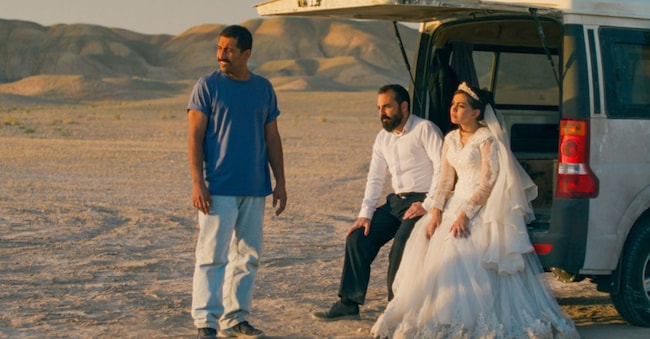
After the very powerful 'Bears Don't Exist', Panahi makes a full return to fiction cinema to tell the story of a small group of people, convinced they have found the persecutor who tortured them in the past and ready to take revenge.
Many of the typical themes of Panahi's cinema can be found in this film, shot without permission, starting with that of the journey and the use of a microcosm of characters to narrate something much broader and universal.
The film is in fact a portentous socio-political allegory, effective in alternating the tones of farce with those of tragedy, combining them to arrive at a result of great dramatic and stylistic strength. Together with the characters, we the audience are also faced with moral dilemmas and questions about how we would behave if we were really confronted with our alleged persecutor.

