
Foie gras yes or no? Brazil also bans sale and production. And the debate is reopened
Yes of the House, the President's OK is missing. The case reopens the debate on a foodstuff that causes suffering to animals. Consumption permitted in Italia

In Brazil, the Chamber of Deputies has approved a bill banning the production and marketing of products obtained by force-feeding animals, including foie gras. To enter into force, the proposal awaits the president's stamp of approval. If confirmed, it will make the Carioca country the first Latin American state to institute, by federal law, a transcending ban on the production and sale of this food, combining the widest possible scope on its territory. A historic decision, given the weight of the poultry sector in the country (Brazil is the world's second largest producer of this meat).
Open Debate Worldwide
For years, there has been an open debate on the ethical appropriateness of continuing to support a luxury food product that runs (in the most absolute) counter to the animal welfare practices advocated and pursued, especially in Europe.
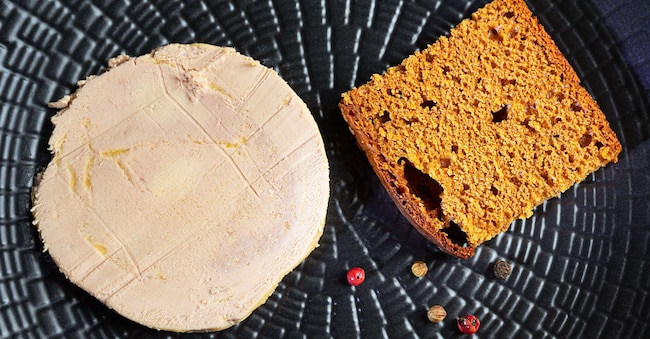
A staple of French gastronomy, foie gras is produced from the artificially enlarged livers of ducks and geese subjected to the practice of gavage. This force-feeding practice causes extreme suffering and serious health problems for the animals (it is estimated that force-fed ducks and geese have up to 20 times the mortality rate of other birds).
France remains the largest producer of this food, despite the fact that most French people say they are against it. In Italia, production has been banned since 2007, but the product continues to be used in some restaurants and sold on the web, or in some delicatessens.
In Europe, foie gras is produced by only five countries: besides France, Bulgaria, Spain, Hungary and Belgium (Wallonia), which export globally. Other countries in the world where foie gras is still produced are China, among the world's leading consumers, along with Japan Switzerland, Canada (Quebec in particular) and the USA (except California).
In New York State, the debate has been going on for years: last March, an appeals court ruled on the validity of the sales ban approved in 2019 by the City Council - Mayor Bill de Blasio was in office - but never entered into force due to the lawsuit filed by industry and manufacturers.

