

Food matters: here's why what we eat affects the health of the planet
The National Medical Association's team of doctors and anti-fraud experts answers the most important health questions
Key points
- Is it true that what we eat affects the health of the planet?
- Did this negative impact on the environment occur?
- A healthy diet for the environment is also good for our health?
- Recommendations reminiscent of the principles of the Mediterranean diet
- Are there any other behaviours we can adopt for the health of the planet?
“Mano nella mano per un'alimentazione e un futuro migliori”: questo lo slogan scelto per l'edizione 2025 della Giornata mondiale dell'Alimentazione (World Food Day), che, promossa dalla FAO, l'Organizzazione delle Nazioni Unite per l'alimentazione e l'agricoltura, si celebra oggi, 16 ottobre. Una data che, quest'anno, è ancora più significativa, perché coincide con l'ottantesimo compleanno della FAO. È dunque l'occasione giusta per riflettere sul legame tra ciò che mangiamo, la nostra salute e quella del pianeta. Un pianeta spaccato in due: secondo l'ultimo rapporto della commissione internazionale di scienziati “Eat-Lancet”, pubblicato agli inizi di ottobre, 3,7 miliardi di persone – quasi metà della popolazione mondiale - non hanno accesso a cibo sano, a un ambiente pulito o a un reddito dignitoso. Intanto, l'altra metà, la popolazione dei Paesi ad alto reddito, consuma e spreca in modo eccessivo risorse naturali. Quest'ultima parte di mondo è la stessa che sta affrontando problemi di salu
Is it true that what we eat affects the health of the planet?
Yes. It is above all the way in which food is produced and consumed that has an impact on the environment. Agriculture and livestock farming contribute significantly to greenhouse gas emissions, as well as to water and soil consumption, and in turn suffer the effects of the climate crisis. On all continents, cultivated land, water resources and plant species are put under pressure by extreme weather events, with consequences also for animal life and food distribution. The relationship between food and the environment, therefore, is complex and the subject of ongoing scientific research.
Is this negative impact on the environment verified?
There are many international research groups analysing these phenomena. Recently, an authoritative study was published that periodically evaluates food systems. It is the aforementioned report of the EAT-Lancet Commission, composed of experts in nutrition, environmental sciences, economics and health from all over the world. According to the latest data, globally, food production and distribution are the cause of 30% of greenhouse gas emissions, which are mainly responsible for global warming. The consequences of such high levels pose a threat not only to the climate itself, but also to biodiversity, the availability of drinking water and soil health. In addition, there are the increasing sources of pollutants, from the air to cultivated fields; the use of pesticides has also intensified, precisely to sustain higher production levels than in the past. The spread of microplastics, which we have discussed here, is also on the rise,
A healthy diet for the environment is also good for our health?
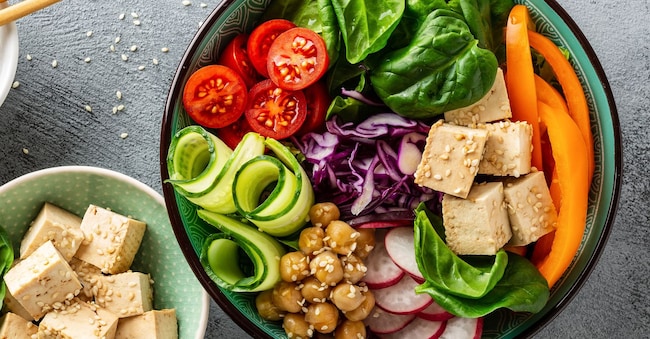
Secondo la FAO, anche i consumatori sono parte della soluzione e possono compiere scelte che, oltre ad aiutare l'ambiente e le popolazioni più svantaggiate, fanno bene alla salute. Con l'obiettivo di consumare (e sprecare) meno, infatti, è più semplice adottare un regime alimentare equilibrato. Le raccomandazioni generali prevedono una dieta ricca di: frutta e verdura fresche e di stagione, possibilmente a chilometro zero: così si favoriscono la biodiversità, le piccole economie locali e si limitano i trasporti; proteine vegetali, come legumi, cereali integrali e frutta secca, limitando quelle di origine animale: gli allevamenti intensivi, infatti, consumano enormi quantità di acqua e di suolo. Le diete attuali si sono impoverite di questi benefici elementi ed eccedono invece di carne e grassi animali, latticini, zucchero e alimenti ultra-processati. Un'alimentazione come quella indicata dalla FAO, secondo gli esperti, potrebbe prevenire circa 15 milioni di morti premature nel mondo ogni anno. E ridurre
Recommendations are reminiscent of the principles of the Mediterranean diet
In fact, yes, these are diets that favour nutritious, unprocessed products with a low content of potentially harmful elements such as salt, sugar and fat. The EAT-Lancet has also formulated a substantially similar plan, called the Planetary Health Diet (PHD). The Mediterranean model is also the inspiration for the Italian guidelines for a healthy diet, formulated with the aim of preventing chronic degenerative diseases, promoting public health and environmental sustainability. In addition to the recommendations already mentioned, the guidelines recommend: drinking plenty of water every day, reducing alcoholic beverages to a minimum, preferring olive oil to other fatty condiments, widening the variety of food choices, being careful about the improper use of supplements, and respecting food safety.

