Fossils from the future: Corrina Goutos's creations are unique pieces
A counter-proposal to acceleration. Remnants of mass-produced objects together with raw natural materials: a mix of industrial debris and traces of previous histories.

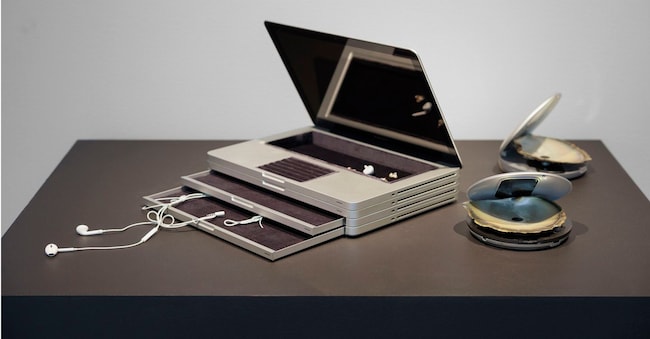
In the lexicon of art, there are neologisms that condense a very special worldview. Anthrosmithing, the term coined by Corrina Goutos, belongs to this category.
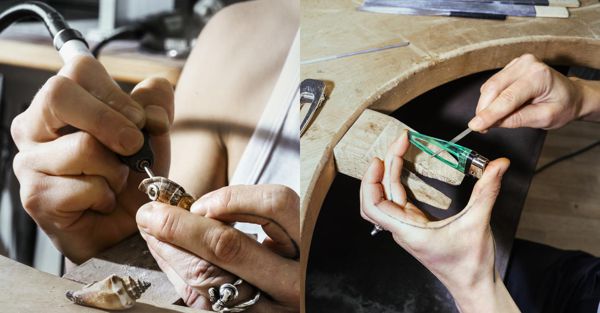
And it points to a philosophy that unhinges the grammar of craftsmanship. At its core, a radical reversal: the idea that the craftsman does not dominate the material, but takes part in the creative act as one among many agents, immersed in an ecological continuum in which erosion, oxidation, industrialisation and human gesture share the same practice.

The artist, born in New York State, now lives in Hamburg. Her training as a goldsmith - a discipline that historically embodies the ideal of control and perfection - is bent to an opposite ethos: no longer the search for the masterpiece as a completed and valuable object, but the staging of processes, stratifications and material memories.
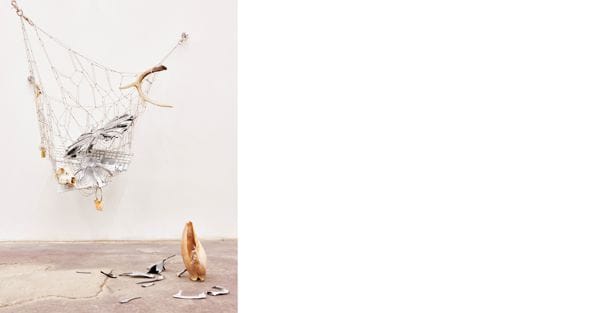
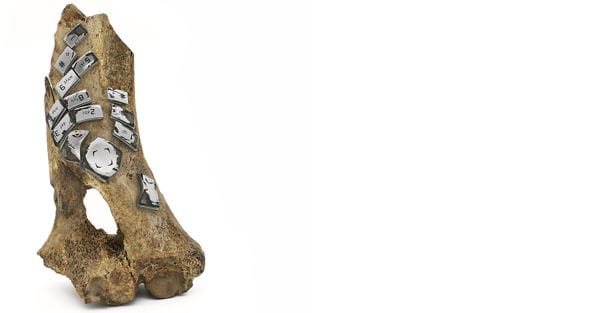
"Corrina Goutos fuses fragments of mass-produced objects with raw natural materials to make conceptual sculptures and wearable artworks reminiscent of fossils from the future," says the curator of the last exhibition at the Scad Museum of Art in Savannah, Georgia.
Every fragment that enters his work is already an album of stories: post-consumer residues, industrial detritus, marginal objects that retain traces of previous lives. The artistic intervention does not erase the genealogy, but amplifies it, exposes it and ultimately makes it wearable.