
From alcolocks to scooters: here are all the innovations coming to the roads
The decree with the technical characteristics of anti-alcohol devices for repeat offenders was signed. From Salvini also marks for electric two-wheelers

4' min read
4' min read
July is also hot, indeed red-hot, on the Highway Code front, with two important new developments on the way and one, so to speak, in the firing line. From alcolocks to monopattini the new Highway Code signed by Minister Salvini is starting to come into its own. A squeeze that the ministry in Porta Pia is claiming to impose on offences at the wheel, especially on the alcohol consumption front for which zero recidivism will be triggered.
Alcolock
The first new development is the signing by the Deputy Prime Minister and Minister of Infrastructure of a decree laying the foundation stone for the procedures that will lead to the installation of the new devices, introduced in Italy for the first time, on the vehicles of undisciplined drivers. And who, already caught driving under the influence, become for all intents and purposes special surveillance. The decree signed by Salvini defines the characteristics and methods of installation of the device: these are, explains the ministry in Porta Pia, precise guidelines provided to authorised workshops for installation and to users for use.
The alcolock is a technological system that locks the vehicle if the driver fails a breath test via a device also installed in the car and connected to the mechanism. The engine will only start if the alcohol level is zero. The new Highway Code - explains MIT - makes the installation of alcolocks compulsory for drivers who have already been sanctioned for driving with a blood alcohol level above 0.8 g/l, making it a key measure for repeat offenders, who will only be able to drive vehicles on board of which such a device is installed. But the measure goes so far as to define technical standards, stipulating, for example, that alcolocks can be installed on different categories of vehicles used for the transport of both persons and goods, and that they will have to meet the standards of EU legislation. "Specific obligations are laid down for manufacturers," explains the ministry, "who will have to provide detailed instructions for installation, use and maintenance." There is also provision for a special seal that authorised installers will have to affix to prevent any attempt at tampering. But that's not all: in the event of roadside checks, the driver will have to show the original installation declaration and the device's valid calibration certificate. Except for the vehicle registration document, which will not require any updating. Finally, on the website www.ilportaledellautomobilista.it the MIT will publish the list of authorised installers and vehicle models compatible with each type of alcolock.
Monopods
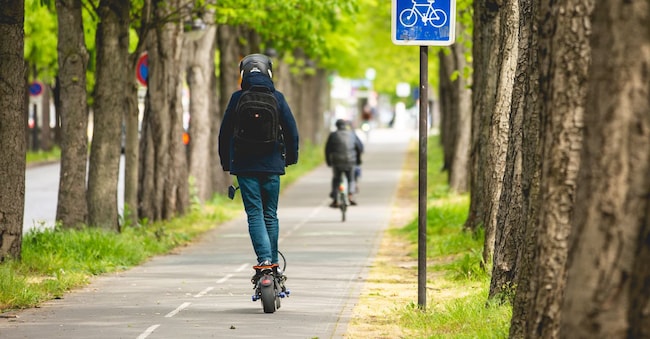
But the news doesn't end here, because on 3 July the Ministry of Economic Development issued a decree regulating identification marks for electric scooters, a sort of personal number plate, an anti-two-wheeler wild card. The measure - reads a note from the ministry - fully implements the provisions of Law 177/2024, which amended the Highway Code by introducing new measures to ensure greater safety in the use of electric scooters. These include the compulsory wearing of helmets also for adults and the introduction of a vehicle identification system'. The markings thus overcome the anonymity of the vehicles and allow more effective control in the event of accidents or violations of the rules of the road. The sticker must be attached to each scooter and cannot be transferable. 'It is not a traditional number plate nor a registration system, in order to avoid excessive burdens for citizens, but a simple and light technical support to be physically installed on the vehicle,' the ministry explains. So here are the rules: the mark must be applied visibly on the scooter, preferably in the centre of the rear mudguard, if the specific housing is present, or at the front of the steering column, at a height of between 20 centimetres and 1.20 metres above the ground. The measure also lays down the criteria for the formation of the alphanumeric combinations of the sign. Discussions are underway with the Istituto Poligrafico e Zecca dello Stato to define production, shipping and sales price costs (VAT included), with the aim of ensuring sustainable rates for citizens. "Awaiting the publication in the Official Gazette, the minister expressed satisfaction with this first concrete step towards the implementation of the new Highway Code," writes MIT.
Autovelox
Finally, news is also coming on the speed camera front, where a majority amendment to the Infrastructure Decree seeks to put an end to the long dispute over the approval of speed cameras. And thus on those that legitimately operate on the roads. The amendment approved on 3 July in the Environment and Transport Committees of the Chamber of Deputies requires municipalities to communicate to the ministry all data on the devices operating on the roads. On pain of being put out of business. The amendment comes after the back-and-forth with the Anci, from which the MIT had requested the mapping of speed cameras and which, however, was eventually resolved with a nullity. With a tail of controversy.


