
Dal Cin: 'De-carbonated wine is an opportunity but will have an expiry date'

3' min read
3' min read
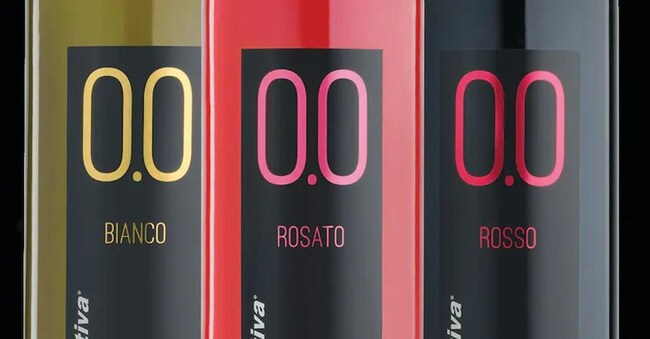
The great fascination of wine is also linked to certain paradoxes that run through the sector. For example, after years spent chasing organic and natural, now, the most promising frontier appears to be dealcoholised wine. A product from which one of the key components, alcohol, is removed, which develops naturally through fermentation of the fruit. However, dealcoholised wine represents a great opportunity because it can bring slices of the population, who for religious or health reasons (diabetics, allergy sufferers) have remained distant from it, closer to the wine sector.
This is the conviction of Marzio Dal Cin, president of Dal Cin, a leading company in products for oenology that today has a turnover of 21.4 million euro (5.2 Ebitda), about a third of which is realised abroad, with two plants, one in Concorezzo (Monza-Brianza) and the other in Foggia. "From our beginnings in '49 until the 80s and 90s," explains Dal Cin, "our function was curative: we tried to correct defects in grapes, must and wine in the cellar. Then our mission became preventive. We aim to prevent defects, and also with the work done in the vineyard'.
In recent years there has been much talk about organic and natural wine.
I studied at the Salesians where they taught me that wine is the fruit of the vine and the work of man. It is a product that comes from nature and is therefore subject to decomposition. Man's intervention is needed to stabilise this substance and make it palatable. And intervention is needed to avoid risky problems for man.
What kind?
There are diseases that attack the vine that generate toxins and can then end up in the final product. Wine can be attacked by yeasts and bacteria as well as microorganisms and moulds. These can be counteracted by clarification, filtration and stabilisation processes.
Some people wonder why there are sulphites in organic wine.
The Romans used to burn sulphur in wooden or earthenware vessels and this generated sulphur dioxide and they discovered that it was possible to preserve wine in this way. Sulphites were certainly not invented by us, they serve to stabilise wine and organic wine even more than conventional wine.


