

From clothes to newspapers to boxes: is compulsive hoarding a disease?
The National Medical Association's team of doctors and anti-fraud experts answers the most important health questions

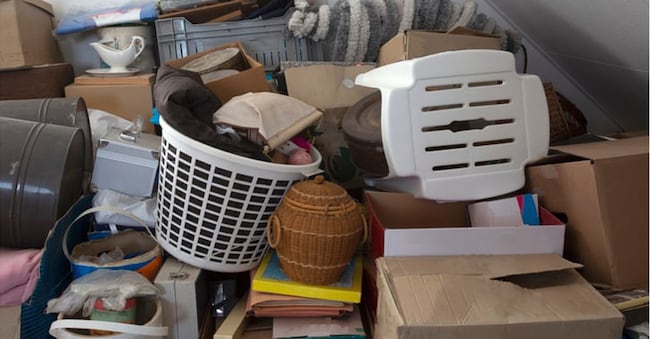
Clothes that we no longer wear, old newspapers, empty boxes, receipts: we all tend to keep things. Sometimes these are objects with a purely emotional value, linked to a memory that we don't want to lose, other times we keep them because 'we might need them'. But when does this tendency stop being a simple untidy habit and turn into something more serious? For some people, separating from objects becomes an impossible task, and living spaces become progressively full to the point of compromising health and mental wellbeing. It is not a matter of laziness or lack of organisation: behind the accumulation there can be a psychological disorder. Disposophorophobia, which has become known through reality television and news cases, causes real risks that are important to recognise in order to help those who suffer from it.
Is accumulating too much stuff a disease?
Sì, in alcuni casi accumulare troppe cose può essere una condizione patologica. Si tratta del disturbo da accumulo (o disposofobia, dall'inglese hoarding cioè “accumulazione”), e si manifesta con la persistente difficoltà a eliminare i propri beni. La persona che ne soffre continua a conservare nella propria abitazione numerosi oggetti, anche inutili o danneggiati, perché separarsene provoca un profondo disagio. È importante non confondere il disturbo da accumulo con il collezionismo, che è invece una raccolta curata e intenzionale di oggetti specifici, né con il naturale attaccamento emotivo a beni che sono appartenuti a una persona cara che non c'è più. E, naturalmente, è ben diverso dal disordine delle camerette dei ragazzi. L'accumulo compulsivo, o seriale, è oggi riconosciuto ufficialmente come patologia a sé stante nel DSM-5 (il Manuale diagnostico e statistico dei disturbi mentali). Pur appartenendo allo spettro dei disturbi ossessivo-compulsivi, viene classificato separatamente propri
How do I recognise it?
L'Associazione degli psichiatri americani ha stilato un elenco di sintomi e manifestazioni che identificano gli accumulatori compulsivi: difficoltà insuperabile a buttare via, vendere, riciclare, regalare; accumulo di oggetti (e rifiuti, talvolta anche organici) in equilibrio precario, disordinato, in ogni spazio della casa, compresi letti, scale, lavandini e bagno; molto tempo impiegato a spostare gli oggetti o cercare ciò che è effettivamente utile; conflitti con persone che offrono aiuto per eliminare il disordine; la convinzione che qualsiasi cosa possa essere utile in futuro o che abbia un valore economico; in casi più rari, accumulo di animali domestici. Secondo diversi psicologi è possibile tracciare un identikit dell'accumulatore seriale. Si tratta di una persona che spesso vive da sola, che non ha una vita sociale attiva; inoltre, ha difficoltà a prendere decisioni e a gestire le emozioni, la sofferenza in particolare. L'ipotesi è che l'accumulatore compulsivo trasferisca sugli oggetti non but
Who is most at risk, then? And what are the causes?
Nell'immaginario collettivo, alimentato anche da reality show sul tema e da casi di cronaca, si è imposta la figura dell'accumulatore come una persona anziana, in difficoltà economiche, isolata socialmente. Ma non è sempre così. Sebbene la disposofobia sia più comune in età avanzata, secondo gli psichiatri i sintomi precoci possono manifestarsi già nell'infanzia e nell'adolescenza e, se non controllati, diventano progressivi e cronici. Le cause non sono chiare. Si è notato, nei casi analizzati, che spesso all'origine del disturbo c'è un trauma non gestito, un evento che ha comportato la perdita di una persona come della propria abitazione. Si sta studiando anche l'ipotesi della familiarità ed è invece accertata, in un caso su tre, la compresenza di depressione o ansia e disturbi mentali come, appunto, quello ossessivo-compulsivo.
Why is excessive hoarding dangerous?
The most obvious consequences are a worsening of the quality of life for the hoarder and possible cohabitees. Suffering from dispositional phobia is also associated with problems at work. Health and safety risks also emerge. The hoarder, especially if elderly, is prone to falls and injuries, food contamination and infestation (including from insects or animals, such as mice), as well as carelessness causing fires and damage to the home. Clutter in the kitchen and bathroom can also impede proper nutrition and personal hygiene.

