

From early diagnosis to longevity: the new frontiers of cardiology
From diagnostics to new treatments, many innovations have now been incorporated into everyday clinical practice, but the challenge remains of developing prevention strategies tailored to longevity and the ability to improve quality of life

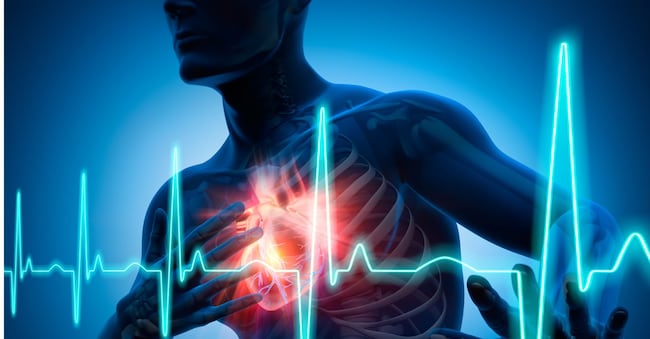
In recent years, cardiology has undergone a profound transformation. Advanced technologies, new scientific insights and innovative treatments are changing the way we prevent, diagnose and treat cardiovascular diseases. The real revolution, however, lies in the ability to offer each patient an increasingly personalised care pathway, tailored to their individual characteristics and risk profile.
These topics will be the focus of “Place 2026”, one of the leading scientific events dedicated to cardiology. Many of the topics covered represent areas in which, together with Dr Marco Rebecchi, Dr Ermenegildo De Ruvo and the entire Cardiology team at the Policlinico Casilino, we are actively engaged on a daily basis through clinical practice, research and innovation.
Innovative diagnostics
Among the most significant innovations is cardiovascular diagnostics. Magnetic resonance imaging (MRI) and cardiac CT scans now make it possible to examine the heart with great precision, identifying structural abnormalities, areas of scarring and risk factors that might previously have been overlooked. This information is complemented by advances in genetics, which enable the identification of hereditary conditions and a more accurate assessment of individual risk.
For patients, this means recognising potentially dangerous situations at an early stage and taking action before serious events occur. This is the case with the prevention of sudden cardiac death in young people and sportspeople, a problem which is, unfortunately, highly topical.
Digital Health and New Therapies
Another key theme will be Digital Health. Artificial intelligence, telemedicine and digital systems are not intended to replace doctors, but to improve the organisation of care and free up time to devote to patients. Smart tools can simplify the management of clinical records, whilst remote monitoring enables the remote tracking of patients with pacemakers and defibrillators, allowing any critical issues to be identified promptly.

