
From Lopez's fortress to Friends, brands monetise memories
Collective memory becomes business conquering especially millennials with high purchasing power: symbols of the past activate emotions and reduce price sensitivity

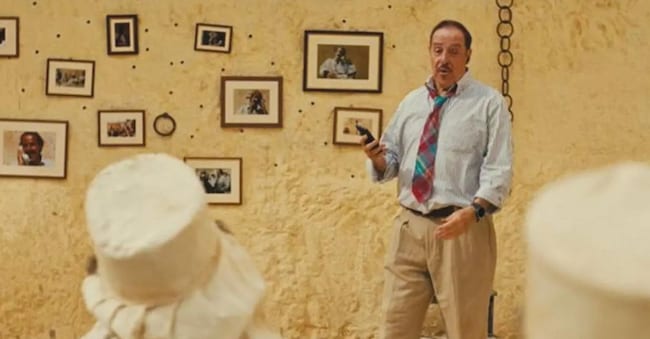
A military fort in the middle of the desert makes a comeback. A cult TV series from the past lands on menus. "So much nostalgia for the 90s when the world was the ark and we were Noah," sang Article 31 thirty years ago. But today this retro phenomenon is affecting contemporary marketing in an identity crisis. Nostalgia may be rogue, but the economic return is relevant because it allows memories to be monetised and warms up mature audiences in a turbulent historical phase marked by uncertainty and digital fatigue. Emblematic is the case ofTim, which modernised the imagery of the fort in its 1993 Sip advertising campaign with Massimo Lopez, reactivating a shared advertising memory to reinforce brand recognition and continuity. Similarly McDonald's uses the symbolic universe of Friends to transform television nostalgia into a contemporary consumer experience.
It's not just positioning marketing: research indicates that up to 75% of consumers show a greater propensity to buy when faced with nostalgic communications and that evocative products can generate a willingness to pay up to +32%, reinforcing pricing power, writes the US think-tank Talker Research. Courses and recourses of history. But nostalgia also has an effect on purchase intentions, appealing to those millennials today with full purchasing power and a conditioning target for other age clusters as well. "When ties to the past are severed we lose inspiration, identity and the ability to imagine a rooted future," wrote Dulani Porter in Adweek.
A matter of feeling (and wallet)
The target group to be pampered is obvious. It is those millennials today in the prime of purchasing power, with a shared media memory and a strong emotional attachment to cultural symbols of the past. Many brands are relaunching retro products and imagery precisely to intercept this segment of consumers with disposable income and families, as the Guardian writes. A matter of feeling (and wallet). In terms of consumer economics, this translates into increased pricing power and reduced price sensitivity, crucial variables in inflationary environments. According to a recent study in theJournal of Economics, nostalgia does not merely enhance the advertising memory, but activates a precise economic chain: emotion, value perception, purchase intention, potential demand. From a strategic point of view, the paradox is obvious: the more unstable the context, the more the past acquires economic value because nostalgia functions as a lever to reduce perceived risk, strengthens brand equity and increases loyalty in the long run.
Tim, the fort as home
"We wanted to tell the story of Tim's evolution, which today is much more than a connection. But we wanted to do it in a different way and we related the present with the past, but without emphasising it to offer a perspective of the future. We retraced our shared memory because this campaign has entered the collective imagination with the images, the vocabulary, the message". So says Sandra Aitala, Vice-President Brand Strategy, Media & Commercial Communication of Tim. The fort becomes a symbolic place made up of many different elements. "In re-proposing the old spot more than thirty years later in prime time with capillary planning we have maintained strict secrecy, generating an incredible surprise effect. We did not even inform Massimo Lopez. The surprise generated a lot of memories for a shared memory, but it also allowed us to accredit ourselves among the new generations that had not even been born at the time,' Aitala points out, defining the operation - that of re-proposing the old commercial without any didactic accompaniment - as unique because it has no precedent in the world.
To punctuate the launch was the tow of the Sanremo Festival. "Being main partner, we chose to launch the second episode at the first break, proposing this new story interpreted in a masterful way by Paolo Genovese, who was called in to lead the direction. We tried to give ourselves a little gift by choosing an unusual tone. Because at a time when everyone is taking themselves too seriously, we opted for a smile to give to the middle generation as well. Thirty years later, they have also united the guards, who are now having fun and relaxing together with Massimo Lopez,' Aitala concludes.

