

From France to the ICC, Burkina Faso deepens the international rift
Traoré’s government has severed ties with Paris and is beginning its withdrawal from The Hague, alongside Mali and Niger
from our correspondent Alberto Magnani
 Aggiungi Il Sole 24 Ore
ai preferiti su Google
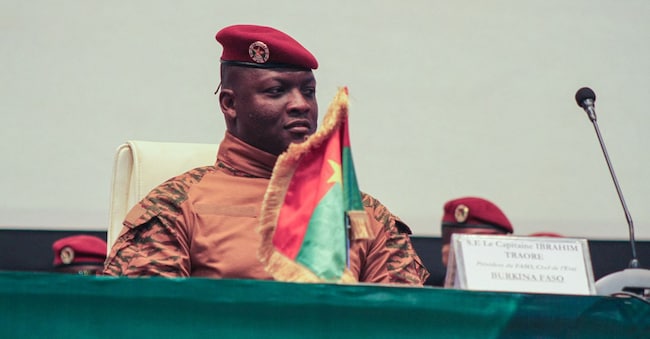
NAIROBI – First Paris, then The Hague. Over the past two weeks, Burkina Faso’s military government has deepened its rift with the international community with a double break at both European and global levels. On 26 June, the junta announced it was severing ties with France, the culmination of a diplomatic freeze that began with the twin coups of 2022 and the rise to power of the current leader, Ibrahim Traoré. In early July, the International Court of Justice confirmed that Burkina Faso itself had initiated a withdrawal from the Court’s jurisdiction, alongside its coup-supporting allies in Mali and Niger: the trio, already at odds with the Economic Community of West African States (ECOWAS), had joined the Alliance of Sahel States in 2024. In both cases, the break was motivated by impatience with the ‘neo-colonial’ prejudices said to be weighing on the junta’s actions.
The break with Paris
France has condemned the diplomatic rift as ‘unfounded and hostile’, but bilateral relations between the two capitals have been in freefall for years. In early 2023, Traoré expelled French troops from the country, withdrawing a contingent of 400 soldiers following the expiry of an agreement signed five years earlier: the prelude to an exodus that was subsequently seen across the rest of West Africa, from Senegal – under the former political duo of Diomaye Faye and Ousmane Sonko – to a less hostile government such as that of Alassane Ouattara in Côte d’Ivoire. In 2024, it was the turn of three diplomats to be expelled, in a country that had already been left without diplomatic representation following the recall of Ambassador Luc Hallade to Paris in January 2023. The tensions have reverberated through periodic disputes and the exclusion of the French press, culminating in the severing of diplomatic relations announced by the Minister for Communications, Gilbert Ouedraogo. In his statement, Ouedraogo reiterated the accusation of collaboration in ‘subversive activities’ and affirmed the absence of the ‘essential conditions’ of trust and respect for the principles of ‘non-interference’ and national sovereignty.
“If we look at ties with Europe, the rift with Paris could prompt the EU to ‘suspend some of the humanitarian initiatives and funding still active in the country’,” explains geopolitical analyst Luciano Pollichieni, pointing out the restraining influence of countries such as Italia and Germany in preventing overly abrupt reactions and a collapse in relations.
The most pronounced impact is evident at regional level, in the dual context of the Alliance of Sahel States and the rise of actors other than former European partners. The Alliance, explains Pollichieni, risks suffering a setback in the process of détente initiated with the ECOWAS economic bloc, following the glimmers of hope shown by Mali and Niger. As for the expansion of external forces, ‘the break with Paris inevitably strengthens Moscow’s influence,’ says Pollichieni, ‘but it does not rule out the possibility of Burkina Faso strengthening partnerships with other actors already present, such as Turkey, or with new actors such as Israel’.
The rift with the International Criminal Court and the risks to human rights
Accusations of a ‘neo-colonial’ approach have also come to the fore in the dispute with the International Criminal Court in The Hague. Burkina Faso and its Malian and Nigerien allies had declared their withdrawal from the court’s jurisdiction in September 2025, in the midst of a realignment of relations marked by their departure from the ECOWAS economic bloc and the establishment of the Sahelian Alliance. The Hague has now confirmed the start of the trial, expressing concern over the already precarious human rights situation in the three countries.


