Geothermal energy and lithium: the new European frontier for sustainable batteries and energy autonomy
The extraction of lithium from geothermal brines in Europe promises to reduce dependence on imports by integrating renewable energy and battery production for electric vehicles.

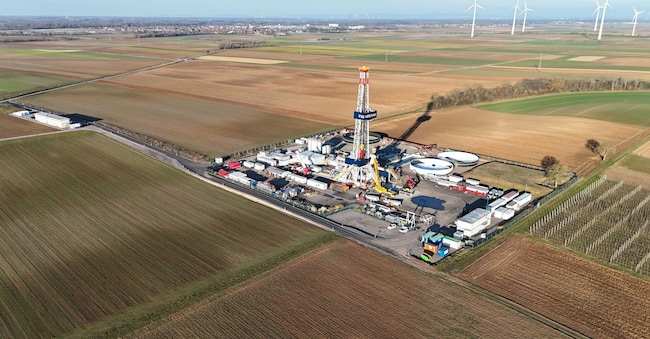
The geothermal energy is at the forefront on several fronts that are essential for energy security: besides producing renewable and constant electricity for the grid, it can also provide us with the raw material for electric vehicle batteries, thanks to thelarge amount of lithium dissolved in many geothermal brines.
Extracting it in this form requires less water and soil than classical extraction and improves the economic viability of geothermal projects, making them more attractive to investors. Currently, there is no local supply of lithium of a quality suitable for batteries in Europe, and producers are entirely dependent on imports from China (which controls 60 per cent of lithium mined globally), Australia and South America.
However, with the increasing popularity of electric vehicles (also driven by the war in the Middle East and the oil crisis), the creation of a local lithium supply chain is becoming a strategic priority.
So the 'white gold rush' has also begun here. According to the International Energy Agency, projects initiated in Europe and the United States could cover around 5% of global lithium demand by 2035, with a major impact on strategic supply chains.
The German project
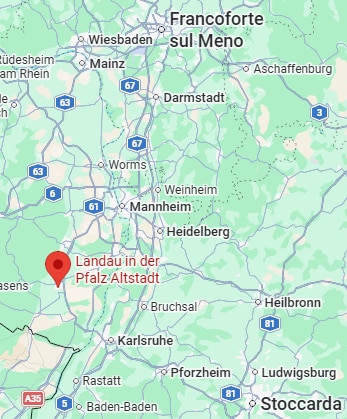
The first to work in this direction is the australian Vulcan Energy, with the Lionheart project, already well advanced in the Upper Rhine Valley.