
From wheat to kiwi, biotech agricultural varieties are ready to arrive in the fields (and on tables)
The final green light from Brussels for Tea (Assisted Evolution Techniques) is expected in April, but Italian experimentation on crops resistant to pathogens and climate change is well advanced. The knot over patents remains to be untied

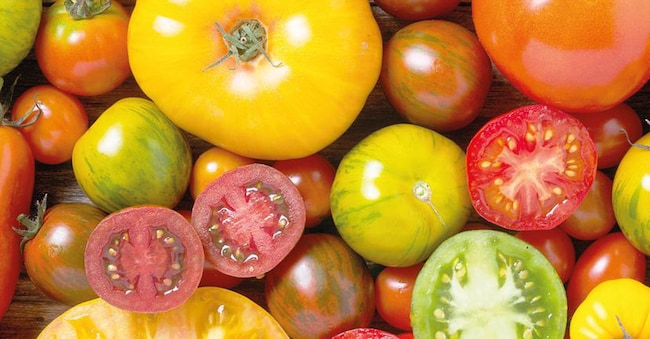
Durum wheat, barley and rice, but also grapevine, citrus, kiwi, apple, tomato and aubergine. These are the main Italian crops on which varietal research is being carried out using new biotechnologies, the Assisted Evolution Techniques (Tea), thanks to the renewal of the national authorisation for field trials for 2026. And with the halt to geolocation to prevent the vandalism that affected the first field trials of new rice varieties in Lombardy and grapevines in Veneto: where the tests take place will therefore remain a secret.
But the (public, no small detail) research is ready to be transferred to the seed market and from there to the entire agri-food chain in a very short time, pending the European regulation authorising cultivation and marketing on which the EU institutions have reached an initial agreement. Today, in the absence of a specific regulation, teas are equated (by an EU Court of Justice ruling in 2018) with GMOs, which are banned by almost all member states (without the need for any particular justification, as reiterated by a ruling on Thursday on the legitimacy of the Italian ban).
What is Tea or Ngt
Tea (Assisted Evolution Techniques) or NGT (from the acronym for New Genomic Techniques) are biotechnological innovations for the genetic improvement of crops aimed at obtaining more productive varieties that are resistant to climatic stresses. Unlike GMOs (Genetically Modified Organisms) they do not involve the insertion of foreign DNA (transgenesis) but modify the internal genome (cisgenesis or editing) by accelerating natural mutations.
After the OK in the Environment Committee of the European Parliament, the regulation should be voted on by the EU Council on 30 March and then return to the plenary at the end of April.
The new rules divide Tea into two categories. The first, within a certain number of modifications (20) to the plant's DNA, will be assimilated to traditional varieties, thus with the labelling obligation limited to seeds, while the second also includes old-generation GMOs, which differ from the Tea due to the use of genes foreign to the plant. The last knot to untie remains that of patents, with a compromise aimed at protecting investments, but tempering the monopoly with some constraints to guarantee accessibility to small producers.

