

From melanoma to gastrointestinal cancers: new prospects from immunotherapy
A ‘super cytokine’ designed to boost the immune system’s ability to recognise and fight cancer cells could mark a breakthrough in treatment resistance

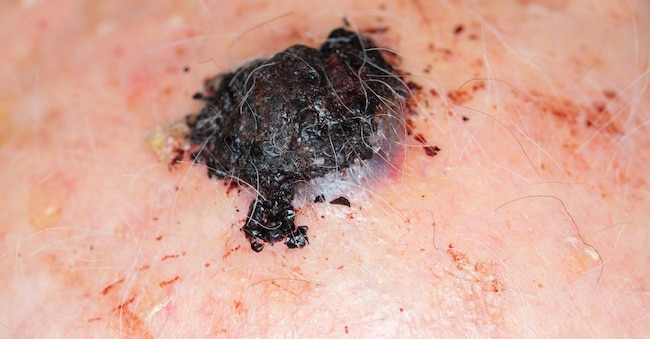
One of the most significant challenges in modern oncology is overcoming resistance to treatment. In recent years, immunotherapy has profoundly changed the treatment options for numerous cancers, but not all patients respond to it and, even when it works initially, the disease can develop mechanisms that allow it to evade the immune system’s control once again. It is precisely in this area that some of the most promising research is currently being focused.
A new experimental immunotherapy, already recognised in the field of melanoma, could open up significant new possibilities for the treatment of advanced gastrointestinal cancers, even when previous treatments have failed. It is called MDNA11 and is a bioengineered molecule, described as a ‘super cytokine’, designed to enhance the immune system’s ability to recognise and fight cancer cells.
The study
The results of the international Phase 1/2 Ability-1 trial, presented at the Society for Immunotherapy of Cancer (SITC) conference in Phoenix, show that 8 out of 20 patients (40 per cent) achieved an objective response to treatment, whilst in 16 (80 per cent) the disease was found to be under control. A reduction in tumour mass was also observed in 11 out of 20 patients.
But the most surprising finding concerns liver metastases, which are particularly difficult to treat and are often associated with a poorer prognosis. In four patients treated with MDNA11 alone, all eight liver lesions examined disappeared completely. Although this result was achieved in a still very small number of people, it represents a highly promising sign for the development of new treatment options.
There are quite a few of these patients; they just seem few in number. What I mean is that every new treatment, before it can be used in everyday practice, must go through several stages of trialling. It is a long and rigorous process, but all the major therapeutic innovations we use today to treat patients have, in turn, gone through initial studies conducted on small groups of people.

