
From tobacco to fuels: redesigning the excise system 2026
Improved traceability of consumption and cancellation of environmentally harmful subsidies

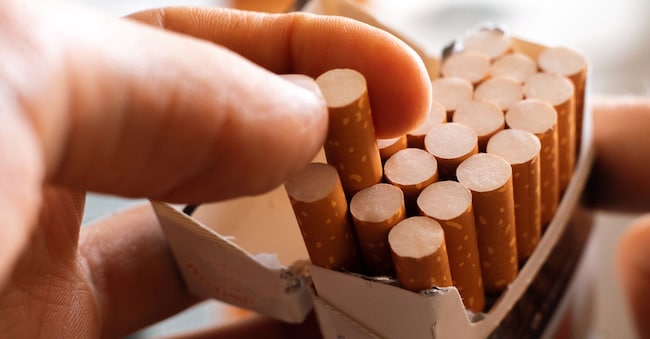
The year 2026 marks a decisive step in the transformation of the excise tax system. The Budget Law and Legislative Decree 43/2025, which reformed the Single Text on Excise Duties (Tua), redesigned levies and obligations on electricity, natural gas, tobacco, nicotine products and fuels.
Effective energy consumption
In the field of electricity and natural gas, the rates do not change, but the management of the tax profoundly changes. The reform distinguishes between domestic and non-domestic use, reinforcing the need for proper qualification of consumption and more accurate tracking.
The new declaration methods - monthly obligations and half-yearly declarations - bring excise duties closer to VAT, introducing a more timely and consistent system based on actual consumption and greater fairness. It is a development that fits into the harmonised European framework and accompanies the energy transition with more transparent fiscal instruments.
The Tobacco Market
Much stronger is the revision of the levy on tobacco and similar products. The increase of the minimum amount and of the specific component on traditional tobacco follows a multi-year trajectory, which foresees increases of up to EUR 38.50 per thousand cigarettes by 2028; in this sense, also the revision of the ad valorem components (calculated as a percentage of the retail price) completes a tax reorganisation aimed at stabilising revenue and reducing competitive distortions generated by the increasing market segmentation.
The clear distinction between heated tobacco, inhaling liquids, nicotine pouches and other non-combustion products is essential for the determination of taxable bases and calculation methods: for Http (heated tobacco product) the levy is confirmed, which is set at the same rate as the excise duty on cigarettes, but with a reduction to 40%, and then with subsequent increases in the coming years (42% from 2028); while for inhaling liquids an ad valorem tax with increasing rates is confirmed. Product traceability, minimum safety requirements and the ban on distance selling are also strengthened.

