

From traditional vaccines to respiratory syncytial virus: why to protect children from birth
Innovations in the prenatal and neonatal period mark a decisive step: protecting so early means intervening at the time when vulnerability is greatest and clinical benefit may be greatest

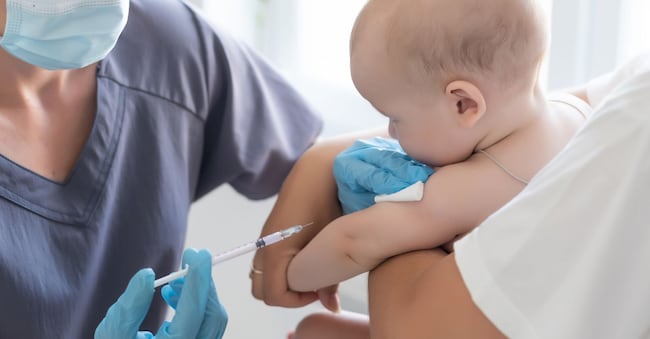
"For every generation, vaccines work," is the theme of World Immunisation Week, promoted by the World Health Organisation (WHO) from 24 to 30 April.
Protect Infants
Immunisation in the neonatal period is undergoing a major evolution. In recent years, the approach to protecting new-born babies has expanded significantly: alongside the traditional vaccination calendar, which in Italy calls for vaccinations to begin on the 61st day of life, new prevention methods have emerged.
Respiratory Syncytial Virus
The main innovation concerns the prevention of Respiratory Syncytial Virus (Vrs), responsible for a high number of hospitalisations, especially in infants in the first 6 months, for which two complementary strategies are now available. The first strategy is the direct immunisation of the infant with nirsevimab, a long-acting monoclonal antibody authorised in Europe to prevent severe disease in the first seasonal period of exposure to Vrs. The second strategy consists of maternal vaccination during pregnancy to be administered between 24 and 36 weeks of gestation, with protection of the newborn from birth until six months through transplacental antibody transfer.
The double protection
The latest scientific evidence and national and European recommendations have confirmed the effectiveness of dual mother-baby protection and an integrated immunisation strategy, based on passive neonatal immunisation (monoclonal antibodies), consolidated in Italia in the 2025-2026 season, and active prenatal immunisation (maternal vaccination).
This 'double protection' represents a paradigm shift in public health, anticipating immune defence at an extremely early stage of life. These innovations have been integrated with what is already provided for in the vaccination calendar, which can therefore be redefined as the 'immunisation calendar' since the main novelty is its integration and extension with targeted immunisation tools in the prenatal period and early life.

