

From injuries to tooth fractures: boom in electric scooter accidents
Wild west on the roads and helmet use in droves: a study of accidents treated in two large Roman hospitals shows the high impact on operating theatres, hospitalisations and costs for the National Health Service

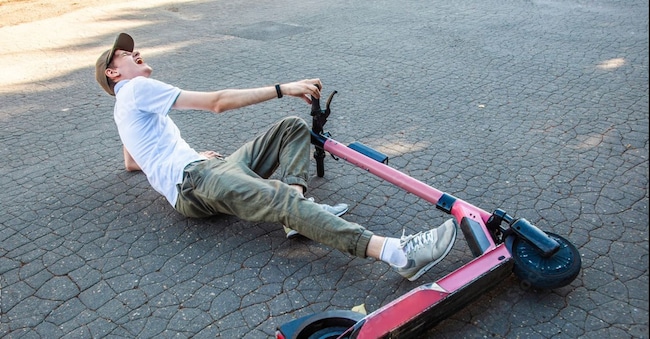
Trauma to the face, teeth or neurosurgical injuries in one in four cases. Orthopaedic examinations are required in eight out of ten cases and fractures in half of the patients: mostly in the wrist, collarbone or humerus, but also in the tibia, kneecap and ankle. It is a real urban war bulletin that emerges from the first study on accidents caused by electric scooters, conducted by the Hospital Orthopaedists and Traumatologists of Italia (Otodi). The study, focused on Rome, starts from the first authorisation for the use of shared scooters in 2018 and covers the whole of 2024, excluding 2025 so as not to alter the data with the Jubilee over tourism. Under the lens, the outcomes of accesses in the emergency rooms of two large hospitals in the capital, the San Giovanni and the Policlinico Umberto I.
L’emergenza
The data compiled by Otodi, net of discharges for excoriations and minor injuries 'closed' without serious consequences in the emergency room, paint an alarming picture of 441 trauma patients who required a specialist examination over the six years, more than 25% of whom required an operation, following fractures of the upper limb (27%) and lower limb (25%).
The research, by, among others, Andrea Fidanza, president of Otodi Young 'under 40' orthopaedists and Otodi National President Marco Mugnaini, has just been published in the Journal of Orthopaedic Reports. "The numbers are really high and impact plaster rooms as well as trauma clinics, operating theatres and costs for the National Health Service," explains Fidanza, first signatory of the study.
Helmet this unknown
What triggers the perfect electric scooter storm is a mix of ingredients: on the one hand, road and traffic conditions, on the other hand, the lack of dedicated spaces and user education. One fact jumps out at you: only 36 out of 441 people were wearing helmets at the time of the accident and no one was using wrist and elbow pads. But the context also counts: 78 per cent of cases are the result of single falls, often due to uneven pavements (cobblestones or uneven pavements), surfaces made slippery by rain or leaves, and distracted drivers with their eyes on their mobile phones.
The card
The patients are mostly male (71%), in their thirties. 63% of the accidents occur between June and September - the most critical month - and in a typical week Friday is the 'peak' day: a contributory factor could be the increased alcohol level at the weekend. But the accidents are fairly spread out over the whole week, reflecting the 'weekday' use that many workers make of the scooter to get around traffic, lack of public transport or for a 'green' choice. In short, using this means of transport meets a need for practicality, which must, however, be accompanied by respect for the rules.

