
Fuel crisis in Ireland: protests block cities and motorways over rising prices
Demonstrations by taxi drivers, farmers and lorry drivers paralyse Dublin and other cities, while the government considers action to unblock the situation

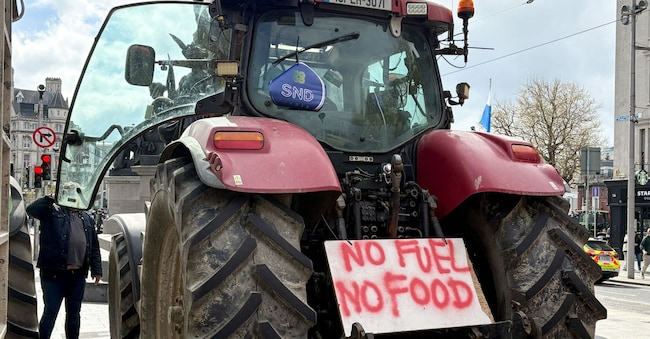
Armed forces on standby, fuel shortages across the country and protests blocking cities and motorways: it's crisis in Ireland due to rising petrol and diesel prices since the start of the war in Iran.
The closure of the Strait of Hormuz has led to a surge in the cost of petrol, which has increased by 25 cents per litre, and diesel, which has risen by 47 cents per litre in recent weeks. The protests, which began a few days ago, have intensified and are paralysing the country. Organising them, largely via social media, were associations of taxi drivers, truck drivers and farmers.
The shortages have been exacerbated by the blockade of oil refineries and fuel depots, which have been manned for days by groups of protesters preventing their distribution in the country. More than a hundred petrol stations have run out of fuel and had to close, while ambulances and emergency services have raised the alarm over the increasing difficulty of carrying out their work.
The Irish government convened a meeting today with the leaders of seven organisations involved in the protests to break the impasse. Micheál Martin, the Irish Taoiseach (premier), said that 'blocking roads and infrastructure is not a proper form of protest'.
Gardaí, the Irish police, also described the roadblocks as illegitimate and called on the army to intervene to remove lorries, tractors and trucks preventing the transport of 'basic necessities and vital supplies'. The Minister of Justice, Jim O'Callaghan, threatened 'legal consequences' and the possible withdrawal of licences for those responsible for the roadblocks.

