
Gender equality: a still fragile but strategic goal for the Italian economy
Increasing female employment to the male level would increase Italy's GDP by 11-12% and foster innovation in family businesses

Key points
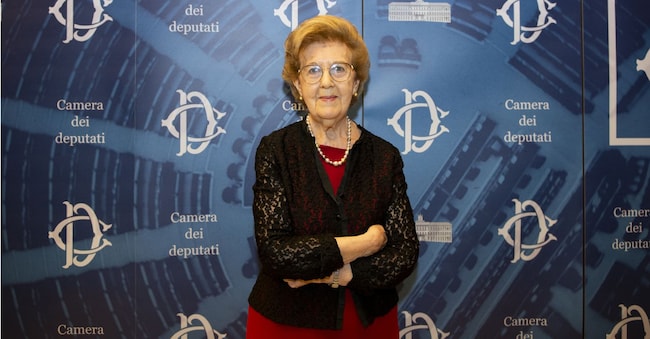
I am often told that I am a role model because of my career path. Obviously, this is an accolade that pleases; but the reality is that it is not a linear path nor one without obstacles. I have encountered hardships, setbacks, moments when my career seemed to be on hold. Motherhood - two daughters - in an institutional context like that of the Bank of Italy, where merit is a strict criterion, led to a pause in annual evaluations, inevitably slowing down professional progression.
The need to care for my elderly and ill parents led me to give up a promotion that involved a transfer. The inconveniences in working relationships, the conditions that women often have to accept, the constant questions of "Why do you care?" when it was clear that less qualified men were being considered, and the constant pressure of always having to be prepared at the highest level, are elements of a cultural heritage that still deeply affects women's careers. Women are simply not forgiven for anything.
The persistent burden of motherhood and care work
Today I can say that many of the difficulties encountered have structural roots. Motherhood and the burden of care continue to weigh heavily on women in particular, estimated at around 70 per cent, reducing their opportunities for work and professional development. The way forward is clear: more family sharing (unfortunately, men's recourse to parental leave remains low), more accessible nurseries and kindergartens, more public facilities dedicated to the elderly. These interventions are not just a matter of equity, but of social and economic efficiency.
The cultural legacy holding back equality
According to ISTAT's 2023 survey on gender stereotypes, although there is a slight improvement compared to 2018, widespread beliefs persist: men would be unsuitable for domestic care (21.4%), women would be primarily responsible for children and household chores (20.2%), motherhood would be a woman's duty (20.9%), and women would be less suitable for leadership because they are more emotional. Such stereotypes also affect young people: around four out of ten teenagers believe that it is up to the man to maintain the family, one in four that he should be in charge.
The effects are tangible: reduced quantity and quality of women's work, lower wages, limited career progression, increased economic dependency and vulnerability to gender-based violence. The impact is not only individual, but collective and cultural, and therefore difficult to eradicate.

