

Gene therapy: a simpler treatment for beta-thalassaemia and sickle cell anaemia
Professor Zecca: “It is not enough for a treatment to be developed and authorised; we need to put in place a system that enables patients to actually receive it”

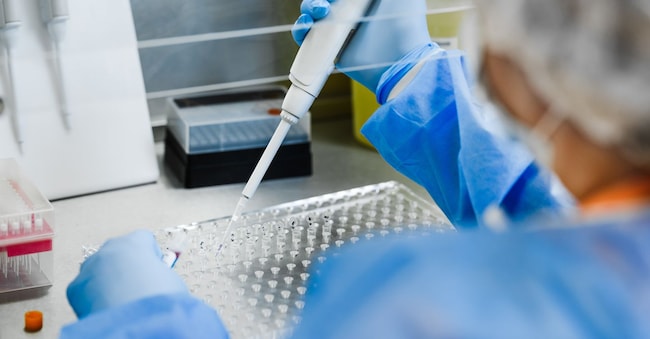
Gene therapy is expanding rapidly and finding ever-wider applications, as it is an advanced medical technique that uses DNA or genetic material as a medicine to treat, prevent or correct diseases – including rare ones – at their genetic root. It does this by introducing a healthy, functioning copy of a gene to replace the defective or missing gene responsible for the condition. The genetic material is inserted into cells, often using modified and rendered harmless viruses, such as adeno-associated or lentiviral vectors, or non-viral systems.
Among the latest applications, gene therapy is being used to treat beta-thalassaemia and sickle cell anaemia: Casgevy, the first therapy based on CRISPR-Cas9 technology approved for the treatment of transfusion-dependent beta-thalassaemia and sickle cell anaemia, has been eligible for reimbursement for a year. These treatments have positive effects for people affected by these two inherited blood disorders, which have a significant impact on quality of life and on families. Exa-cel opens up new therapeutic prospects, offering the potential to reduce or eliminate the need for regular transfusions in beta-thalassaemia and to prevent the vaso-occlusive crises typical of sickle cell anaemia.
How serious are these conditions?
In our country, in fact, it is estimated that there are around 2,300 people with sickle cell anaemia and around 5,000 with transfusion-dependent beta-thalassaemia. For the latter condition, Italia has the largest patient population in Europe, a fact that makes the introduction of a new treatment option particularly significant. Access to Exa-cel is subject to specific clinical and demographic criteria defined by AIFA. The treatment is intended for selected patients aged 12 and over and requires a specialist assessment to determine suitability for treatment.
“I truly believe that Italia has certain characteristics that could make it an interesting model for other European countries as well,” explains Prof. Marco Zecca, Head of the Paediatrics 1 – and Haematological Oncology at the IRCCS Policlinico San Matteo Foundation in Pavia and of the Department of Clinical, Surgical, Diagnostic and Paediatric Sciences at the University of Pavia. He goes on to explain: “We have a very long history of treating haemoglobinopathies, centres with extensive expertise in haematopoietic stem cell transplantation and cell therapies and, above all, a National Health Service that guarantees access to treatment regardless of the patient’s financial circumstances.”
Indeed, Italia has a very strong tradition in the treatment of thalassaemia and, more recently, of sickle cell anaemia as well. Over the years, specialised centres, transfusion and iron-chelation programmes, multidisciplinary expertise and considerable experience in transplant surgery have been developed. I believe that all this has created a particularly favourable environment for introducing, today, a completely new therapy such as gene editing for haemoglobinopathies.

