
Georgieva (IMF): 'War in the Middle East holds back world growth'
The Fund's number one announces the downward correction of the forecast for 2026, compared to the 3.3 per cent indicated in January. The recommendation for governments: provide targeted and temporary support to the vulnerable, if there are budgetary margins, and avoid deficit measures, which would increase inflationary pressures. Central banks: better to wait to intervene for now

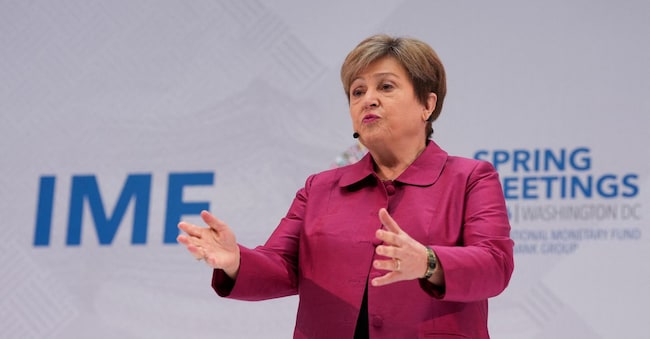
"If there had not been this shock, we would have raised our global growth forecasts. But now, even our most favourable scenario points to a downturn'. The analysis by the Managing Director of the International Monetary Fund, Kristalina Georgieva, can only confirm what every bureau has already indicated about the effects of the war in Iran and the Middle East. How large the difference will be compared to the growth, which there would have been without this conflict, and therefore how high the tariffs the world will have to pay, will depend on its duration and the damage it leaves behind.
Braking
Georgieva spoke on Thursday 9 April from her headquarters in Washington, where the spring meetings of the IMF and the World Bank will take place next week, with the release of updated forecasts.
The war in the Middle East will obviously dominate the discussions. Without providing figures, for those will have to wait until Tuesday, the IMF's number one indicated that a weakening of the overall picture is expected, despite the boost that continues to come from investments in artificial intelligence.
In January, the Fund had estimated a global GDP growth of 3.3% for 2026, identical to that recorded in 2025. With a downward adjustment, the forecast would therefore indicate a slowdown from a growth rate that is already historically low.
The IMF will illustrate several possible scenarios, with starting assumptions of varying severity, leading to proportionate effects on the world economy. However, the damage to infrastructure, supply disruptions, loss of confidence and other lasting effects are already such that they lead to a downward revision, even in the most favourable scenario.


