
Germany, AfD wins in Thuringia and comes second in Saxony. Scholz: 'Bitter results'
The far-right party also overtook the Liberals and Greens, but will not have the numbers to govern. Success, moreover, for the populists of the Sahra Wagenknecht Alliance (BSW)

2' min read
2' min read
A historic moment. In the regional elections held in eastern Germany, the Alternative für Deutschland (AfD) recorded an unprecedented victory in Thuringia (33.1%) and a significant second place in Saxony (30.5%), behind the Christian Democratic Union (CDU). This is the first time since the post-war period that an extreme right-wing party has won a state legislature in Germany. Leading this result is Björn Höcke , a controversial and radical figure, described as 'fascist' by many and under surveillance by the German secret service.
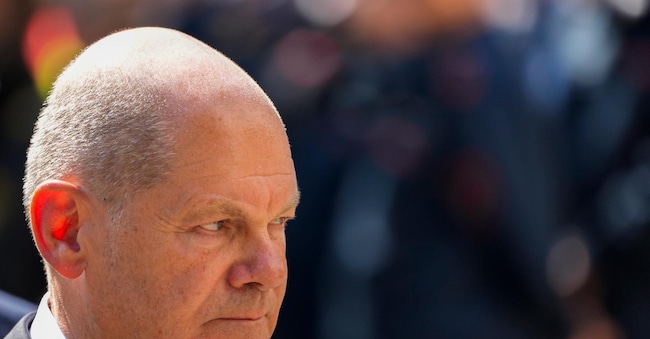
Heavy defeat for the coalition led by Olaf Scholz. In fact, the Spd (Social Democrats) reached 6% in Thuringia and 7.4% in Saxony, exceeding poll predictions. The chancellor called the results "bitter" and expressed concern about the growth of a party he considers harmful to Germany, pointing out that the AfD is weakening the economy, dividing society and ruining the country's international reputation.
Despite its electoral triumph, the AfD remains politically isolated, with the traditional parties refusing to work with it to form a majority. The responsibility for governing will probably fall to the Cdu, which came first in Saxony.
The AfD's success, however, could allow the party to wield significant power, in particular blocking decisions requiring a qualified majority in regional parliaments. This would give the far-right force unprecedented influence, especially in crucial matters such as the appointment of judges and senior security officials.
The German political context is further complicated by the rise of new populist movements, such as the Alliance Sahra Wagenknecht (BSW), which took third place in these elections, overtaking Scholz's minor coalition partners, the Greens and the Liberals. A further blow dealt to the already fragmented and struggling government coalition. With Scholz who, in addition to the extreme right, will now also have to reckon with Friedrich Merz, leader of the Cdu.

