
Gm also cuts and restructures in China: 'Competition too aggressive'
Sales halved since pre-Covid for the Detroit Big. Japanese, from Honda to Nissan, and Westerners, such as Ford, change strategy to avoid succumbing

3' min read
Key points
3' min read
The downsizing and turnaround strategy of Western and Japanese carmakers in China is spreading like wildfire. The decisions are often the result of factors such as market saturation, growing competition from local car manufacturers and the rapid transition to electric vehicles, which is changing the dynamics of the world's leading market: in July for the first time the sum of battery cars and plug-in hybrids exceeded the share of internal combustion engine cars in registrations (50.7%). In absolute terms, sales of total Nevs (full electric plus plug-in hybrids) came close to 5 million (+32%).
Reduction in personnel and capacity
.General Motors, for starters, noted that the record volumes of 2018 are a thing of the past. With historic partner SAIC in the coming weeks, the Detroit-based company will evaluate possible restructuring and capacity cuts as part of a strategic reorientation for its brands in China.
GM is one of the foreign brands with the longest history in China, present since 1997, second only to Volkswagen. Sales peaked at 4 million in 2017 and fell by almost half to 2.1 million last year. Last quarter, Big USA's sales in the Dragon market plummeted 29% to 373 thousand vehicles, with all US brands dropping sharply (Buick, Cadillac, Chevrolet). In contrast, vehicles produced by the SAIC-GM-Wuling Automobile partnership fell by only 12% over the period.
The aggressiveness of local competitors
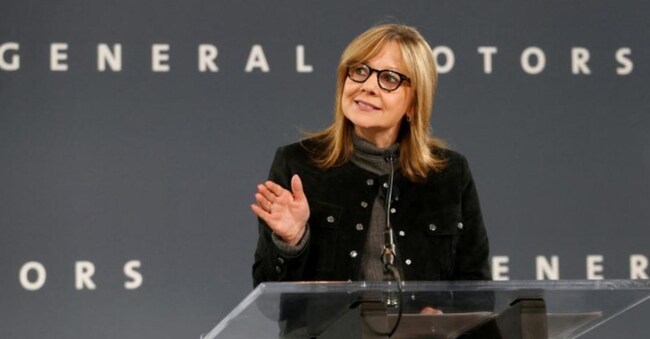
.The manufacturer led by CEO Mary Barra stated in a recent disclosure to the US Securities and Exchange Commission (SEC) that Chinese domestic manufacturers are prioritising market share over profitability, making it more difficult to maintain sales volumes. Hence the need for restructuring.
The 30-year contract with the state-owned SAIC group will expire in 2027. GM intends to return the business to sustained profitability by that time. The goal is to put the partnership in a stronger financial position so that it can finance its operations and vehicle development programmes.


