
Google launches Offerwall: the answer to the traffic collapse caused by Ai
The Mountain View giant presents a new solution to help publishers monetise while artificial intelligence erodes traditional visits

3' min read
3' min read
We start with a fact: artificial intelligence is revolutionising the way users use online information. Until recently, the mechanism was simple: one searched for 'best smartphones 2025' on Google, got a list of results, clicked on specialised sites and read (or watched) the full reviews. Every click generated traffic, page views and advertising revenue for publishers (or creators). Now everything changes: with the introduction of AI search engines, many users skip the step of clicking on the source, because artificial intelligence gives the answer directly. In practice, the Ai informs itself for us, 'reading' the sources and serving us a ready-made summary. Cooked and eaten.
A paradigm shift that Google itself helped to shape. After having introduced on its search engine the 'AI Overview' functionalities, which provide direct answers without the need to click on sites, and even 'Audio Overviews' voice summaries, the company now officially launches Offerwall: a tool designed to offer a lifesaver to publishers who see their organic traffic eroding.
What is Offerwall
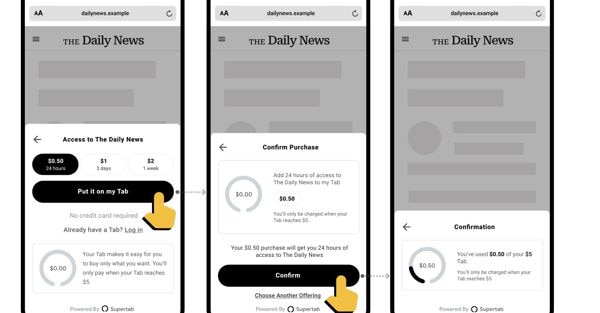
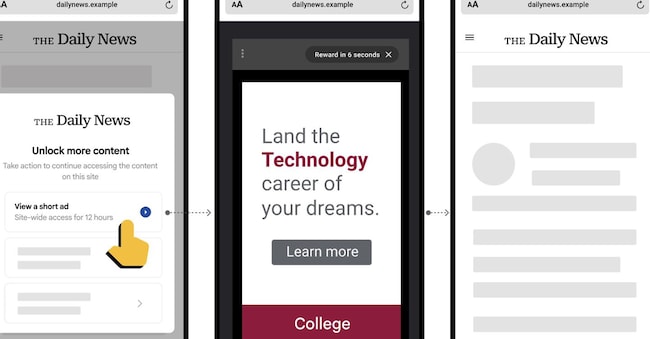
Tested for over a year with more than 1,000 publishers before the official launch, Offerwall uses artificial intelligence to determine the best time to propose the offer to each visitor, thereby optimising engagement and revenue. In practice, it allows publishers to offer different ways to access content: from micropayments to filling out surveys, from viewing advertisements to subscribing to a newsletter.
The numbers (for now) reward
The first data provided by Google show promising, though still limited, signs. During the test phase, publishers saw an average revenue increase of 9 per million views through AdSense for rewarded ads. Google Ad Manager customers saw increases between 5% and 15%. One of the most significant case studies comes from India: the publishing group Sakal Media implemented Offerwall on esakal.com, achieving a 20 per cent revenue increase and up to 2 million additional impressions in three months.

