
Government claims tax measures: 'Almost 12,000 euro more for working mothers'
Between tax reductions, incentives and bonuses, a working mother 'could count on 11,600 euro more disposable income than in 2022, while a worker without children would have over 2,400 euro more per year'
by Rome Editorial Staff
 Aggiungi Il Sole 24 Ore
ai preferiti su Google
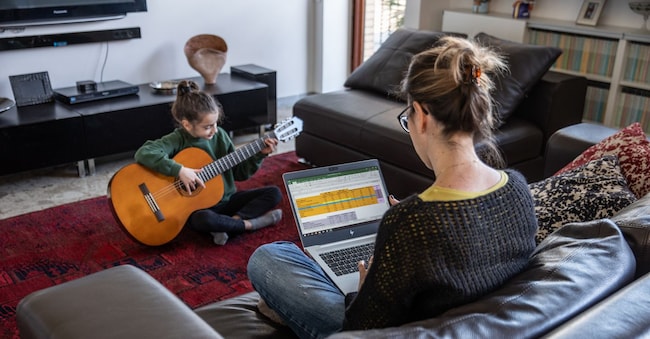
While the debate on purchasing power has been raging for months, as Italian wages have been stagnating or at least not keeping pace with inflation for years, the government is claiming its fiscal operations. And it is highlighting them by putting forward, through the Government Programme Department, estimates on some illustrative cases.
Between tax reductions, incentives and bonuses, a working mother 'could count on 11,600 euro more disposable income than in 2022, while a worker without children would have over 2,400 euro more per year'.
Fiscal measures
The calculations, as stated on the government website, take into account cutting the tax wedge, reducing the personal income tax (Irpef) and tax-free contract renewals; tax-free fringe benefits and productivity bonuses; and increasing the tax-free threshold for meal vouchers.
In addition to these, there are 'measures to support maternity and families: bonus for working mothers; bonus for newborns and crèches; 80% compensated parental leave; increase in the Single Allowance'.
The renewal of the Ccnl
Let us take the example of Paola, a worker with two children, the first two years old and the second born in January 2026. A total income of EUR 30,000 is taken as a starting point in the calculations. The first aspect referred to is the renewal of the Ccnl: 'She receives a 3% increase, in line with the increase in contractual salaries in 2025. Having had her second child, in addition to the newborn bonus, she will be entitled to the bonus for working mothers with at least two children, amounting to EUR 60 per month'.

