

Banga (Banca Mondiale): «Creare lavoro per i giovani è la soluzione migliore contro la povertà»
di Gianluca Di Donfrancesco

by Nicol Degli Innocenti
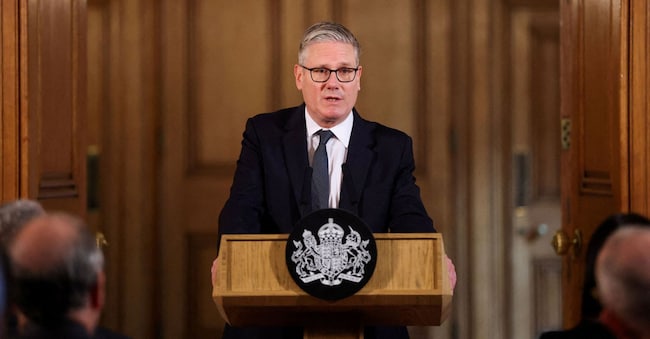
LONDON - Britain goes to the polls today for elections that could drastically change the political balance and decide the fate of Prime Minister Keir Starmer. All polls predict a drop in support for the ruling Labour party, which has long been declining in popularity, and a rise in votes for Reform, the populist, anti-immigration party founded by Nigel Farage.
These are actually three different elections: in England, local elections are being held for 136 local councils, several mayors and five thousand councillors, while in Scotland and Wales, the ballot box is going to the polls to elect the new self-governing government. The common thread linking the three British nations is the rise of the once minor parties and the collapse of the two parties - Labour and the Conservatives - that dominated British politics for decades.
"This is an extraordinary election because it marks the end of the two-party system in this country," explains Tony Travers, Professor of Politics at the London School of Economics. "It is quite unusual for both the ruling party and the main opposition party to lose support and for there to be a five-party challenge in many places.
In England, the prediction is that Labour will lose more than two thousand seats and that even in London, a hitherto solidly 'red' city, the ruling party will lose control of numerous boroughs. ´It is shaping up to be a real bloodbath for Labour,' says Travers. ´The popularity of the government has plummeted rapidly since the general election of 2024 and Starmer is the least loved premier in history.´ Elected under the banner of change after 14 years of Tory governments, Labour has failed to revive the economy or convey a sense of optimism and clear direction.
Both in the country and in the capital there is no single winner: in some electoral districts it seems certain that Reform will win, while in others the Greens or the Liberal Democrats are ahead. Farage's party finds support in the most economically disadvantaged areas and among those who voted for Brexit, while the Greens have gained great popularity among young people, especially since the charismatic Zack Polansky was elected leader. The Lib Dems are the most pro-European and reap votes in areas that had opted to remain part of the EU in the 2016 referendum.

