
Fuel: the green conversion of petrol stations gets underway
Green light for the bill to speed up the process. Pichetto: ‘Concrete measures to decarbonise’. The government is given the power to review the bonus/penalty scheme. The right to a doggy bag is scrapped

Key points
After a long and bumpy process, the Council of Ministers has finally given the long-awaited green light to the Competition Bill. However, at the very last hurdle before reaching Palazzo Chigi, the bill has also left behind the right to doggy bag, as well as the crackdown on unsolicited telemarketing, which has been extended to the telecommunications sector: according to sources within the ruling coalition, both provisions will be reinstated during the parliamentary process.
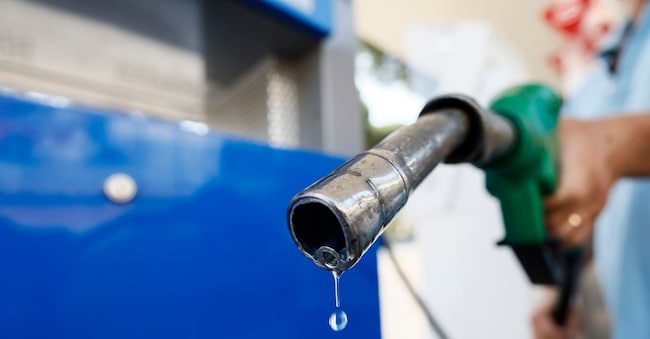
As it finally reaches the finish line, following the intense discussions of recent months between the government and industry operators, the reform of the fuel distribution network is now in place, with the aim of accelerating the conversion of petrol stations to electric vehicles and liquid and gaseous biofuels, and of streamlining contractual arrangements.
An important step that the Minister for the Environment and Energy Security, Gilberto Pichetto Fratin, summarises as follows: “These regulations introduce concrete measures and adequate resources to accelerate the development of a sector that is crucial to decarbonisation.” A “historic turning point, a reform long awaited by a strategic sector in our country”, according to the Minister for Enterprise and Made in Italy, Adolfo Urso.
The fuel network
Specifically, the draft bill approved yesterday provides for a fund of 120 million from 2028 to 2030, financed by the proceeds from CO₂ auctions, to support the green conversion of stations and which will provide a grant of up to 60,000 euros, covering a maximum of 50 per cent of the costs incurredand (reduced to 30,000 euros in inland areas), for plant owners who choose this route.
A further compensation payment, not exceeding 20,000 euros, will instead be paid to those who do not continue their business at the converted facility.


