

Green light for WHO pandemic plan but Italy abstains even with guarantees of full sovereignty
In the Agreement approved after three years of negotiations, the full autonomy of states on procurement and lockdown decisions is maintained, but rapid and targeted access to 20 per cent of their products is demanded from the companies that will join

3' min read
Key points
3' min read
Green light after three years of negotiations on the World Health Organisation's Pandemic Plan: governments adopted it at a plenary session of the World Health Assembly following the approval of the Plan Agreement on 19 May with 124 votes in favour, 11 abstentions including Italy, and no votes against.
It is a somewhat historic date, not least because it came at a time of great weakness for the World Health Organisation following Trump's abandonment by the United States and in a context of a general crisis of authority for the bodies that report to the United Nations. The WHO pandemic agreement is the second international legal agreement negotiated under Article 19 of the Organisation's Constitution: before that there had been the Framework Convention on Tobacco Control, which was adopted in 2003 and came into force in 2005.
Italy abstained
.It did not vote against but abstained, along with Russia, Bulgaria, Jamaica, Poland, Israel, Iran, Romania, Guatemala, Slovakia and Paraguay. If not a sign of opposition (zero 'no' votes), it was a sign of distancing, which our country had made no secret of: Health Minister Orazio Schillaci himself had contested the risk of 'outsourcing the management of a possible next pandemic' right from the start.
Tedros: a safer world
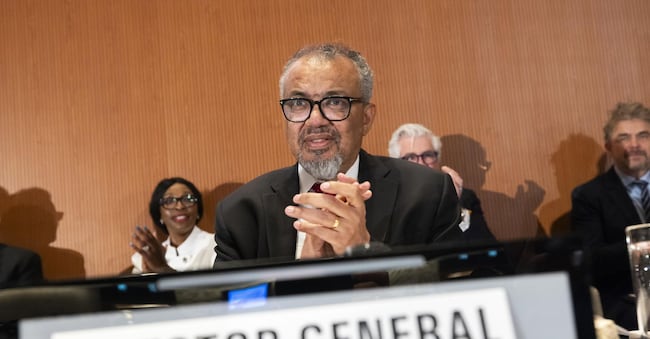
.For DG Tedros Adhanom Ghebreyesus, "today the world is safer thanks to the leadership, collaboration and commitment of our Member States in adopting the historic WHO Pandemic Agreement. It is a victory for public health, science and multilateral action. It will ensure that, collectively, we can better protect the world from future pandemic threats. It is also a recognition by the international community that our citizens, our societies and our economies must not be left vulnerable to suffer losses again like those suffered during Covid-19".
"Since the height of the Covid-19 pandemic, governments around the world have acted with great determination, dedication and urgency, exercising their national sovereignty, to negotiate this historic Accord," said Teodoro Herbosa, Secretary Department of Health of the Philippines and President of this year's World Health Assembly. "Now we must all act with the same urgency to implement its critical elements, including systems to ensure equitable access to pandemic-related life-saving health commodities.

