

Hantavirus, Schillaci: 'Very low risk but in any case the pandemic plan works'
The networks under the Plan have been activated in a coordinated manner and citizens 'can rest assured', but in any case there is a promise to continue monitoring and communicating in a timely and transparent manner: the minister's point to the Chamber of Deputies

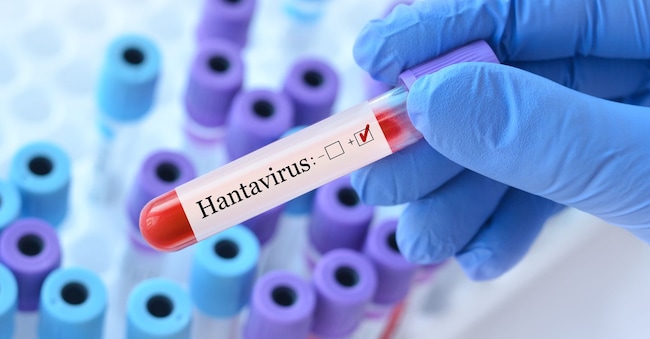
'The risk to the general population in Europe has always been and remains very low: this has been confirmed by the highest international health authorities and Italia has not been standing still since the beginning'. Thus Health Minister Orazio Schillaci in response to the question time at the Chamber of Deputies, on the dreaded dangers of the spread of the Hantavirus in Italia and Italy's response capabilities. 'Epidemiological update, case definition, public health indications, fiduciary quarantine for high-risk contacts, and active surveillance for the others,' summarised the health minister, lining up the indications of the circular issued on 11 May.
The Point
'All four people in Italia today who were on the 25 April Johannesburg-Amsterdam flight are asymptomatic and are being closely monitored,' Schillaci reiterated in front of MPs, relaunching the point made in a note in the morning. 'The tests available today were negative. The two cases reported yesterday in Milan and Messina are also negative to the tests,' he concluded.
What Italia did
The minister did not miss a polemical tirade. "Let me be precise, because someone said that we were standing still. Unfortunately, the usual self-defeating attitude has started that Italia would never be ready. This is not true,' he said.
And here are the facts, which intertwine international health management and Italy's internal 'moves'.
On 5 May, the ECDC reported that the woman who died in Johannesburg on 26 April tested positive for hantavirus. On the same day, the ministry sent a report to the regions and the Maritime, Air and Border Health Offices (Usmaf), with the data released by the Ecdc and WHO, ensuring monitoring and institutional coordination at national and international level.
On 8 May, Schillaci continued, 'we received information from the European Commission about four people travelling to Italia who were on the flight from South Africa to the Netherlands on 25 April where one of the infected cases, who later died, had boarded and immediately disembarked. On the same day we took action to trace them and immediately alerted the regions concerned to activate active surveillance procedures. Also on 8 May, the 'Dispatch' network of experts met. On the same day, the Expert Group for the National Laboratory Network also met'.

