

Headaches: the paradigm shift for care to be built around each patient
Migraine in Italy affects around 11 million people and in 2% of cases it occurs in a chronic form

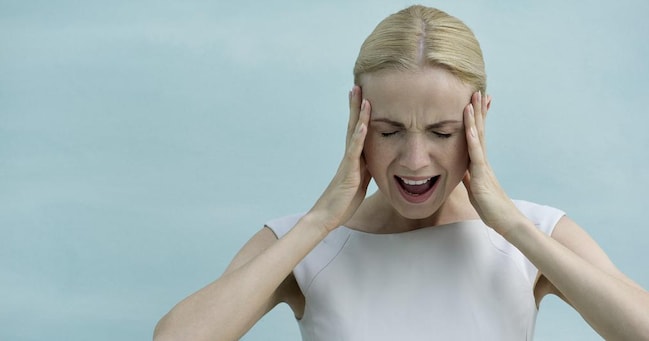
For years, migraine was portrayed as a common, almost inevitable ailment, to be endured in silence. Today we know that this is not the case. Scientific research confirms that we are dealing with one of the most widespread and disabling neurological disorders in the world, not a simple symptom to learn to live with but a disease with a profound impact on people's lives, health systems and social productivity with economic and psychological costs that are still too underestimated.
According to data from the Global Burden of Disease, headaches are now the third leading cause of disability globally, and migraine is among the neurological pathologies with the highest burden in terms of years lived with disability, especially in young and working-age women. Migraine in Italy affects about 11 million people and in 2% of cases it presents itself in a chronic form. Unfortunately, it is not only a problem in adulthood: children and adolescents can also be severely affected, with significant consequences on their schooling and daily activities. These numbers tell of much more than an episodic disorder; indeed, contemporary lifestyles characterised by chronic stress, sleep disorders, sedentariness and cognitive overload contribute to the trend. Thus, the direction in which research is moving is that of a radical paradigm shift: no longer treating the patient only during the acute attack, but understanding the complexity of the disease in its entirety.
Indeed, more and more evidence shows that migraine must be read according to a biopsychosocial model, in which neurological, emotional, environmental and behavioural factors interact. It is also for this reason that the future of research does not only concern new pharmacological treatments, but points towards personalised, multidisciplinary treatment paths built around the person. A crucial role is played by the Headache Centres where therapy options are evaluated for each individual person, considering them in their entirety and taking advantage of the excellent new possibilities for both attack treatment and migraine prophylaxis.
For at least eight years now, research has provided us with some specific treatment options. While until then we relied on drugs that were used for other disease conditions and were also effective for migraine forms, the scientific literature has since amply demonstrated that a significant percentage, especially younger people, tended to abandon treatment due to the onset of side effects. The new therapies are directed against a particular molecule CGRP (calcitoning gene related peptide) and have proven to be highly effective even in the long term, safe and free of those side effects that made many people give up. However, 30% of patients do not respond to the drug. Thus, the model that explains the migraine phenomenon in all its complexity is becoming more and more important and requires, especially for Headache Centres such as ours at the IRCSS Istituto Neurologico Carlo Besta, to think about multidisciplinary management, focusing on aspects that are often underestimated or not considered: this type of approach has proved to be fundamental, especially in the youngest patients where the prevention of chronicity becomes even more urgent.
Making the patient more aware of his disease condition and the use of symptomatic drugs can effectively help him to cope with his condition, and conveying awareness of the importance of a healthy lifestyle and good habits is important to achieve positive results on the clinical course, already representing a therapy approach. It is true that one does not die of migraine, but like all invisible diseases it has a very high cost both in terms of health resources and from a social point of view, we cannot forget the burden that this disabling pathology generates in sufferers, negatively affecting their quality of life, forcing them to give up days of work, study and relationships.

