
Health care for Italians abroad, yes by the Chamber. Annual premium of 2 thousand euro
National Health Service treatment will be free of charge for children living outside the European Union. Di Giuseppe: 'We estimate revenues of 3-4 billion'

Key points
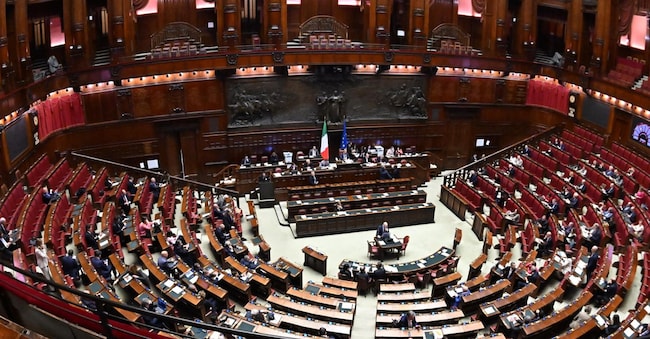
The Chamber of Deputies has approved at first reading the proposed law that allows Italian citizens resident abroad and registered with Aire to have healthcare in Italy upon payment of an annual premium of 2,000 euro (the sum is due from the date of issue of the national health card). There were 139 yes votes (the majority, PD, Avs, Iv, Action), 22 abstained (Avs), 1 no.
The text, signed by Andrea Di Giuseppe (Fratelli d'Italia), aims to ensure the right to healthcare on Italian territory for all citizens residing in countries that are not members of the European Free Trade Association (EFTA) and regularly registered in the Registry of Italians residing abroad (Aire).
The stalls
The bill is aimed at citizens residing abroad in non-EU countries who are registered in the Register of Italians Resident Abroad (Aire). They will be able to register with the National Health System 'at the local health authority in their territory, which collects their individual records, or, alternatively, at the local health authority responsible for their place of residence'.
The four articles of the measure amend Article 19 of Law 833/1978, which regulates the provisions on healthcare in favour of citizens enrolled in the Register of Italians Resident Abroad.
Di Giuseppe (FdI): 3-4 billion for state coffers
'This initiative, in addition to guaranteeing a principle of fairness and gratitude to the millions of Italians living abroad, will allow minors living abroad free access to treatment. It is an act of justice and respect towards our community in the world,' explains Andrea Di Giuseppe, deputy of Fratelli d'Italia and first signatory of the text on healthcare for Italians abroad. 'This measure,' he adds, 'also affects the choice of thousands of Italians abroad not to register with Aire precisely for fear of losing access to the National Health Service. A distortion that not only distorted the Aire statistics, but also resulted in a hidden burden on the health system, which was forced to bear costs for citizens who did not contribute to its maintenance. Today we are re-establishing an order that creates transparency in the numbers, correctness in the flows, and truth in the relationship between State and citizen'. Considering that the Italians enrolled in Aire outside the EU "are currently 4 million and that many more will enrol with the approval of this law, we estimate that at least 40% of those enrolled in Aire will pay the contribution, with a collection of 3-4 billion in favour of the national health system," Di Giuseppe concludes.

