

Healthcare: following the NRRP, the second half begins
The infrastructure is in place, but there are few new resources: to make it work, we need to decide together where to find staff and improve efficiency within the system

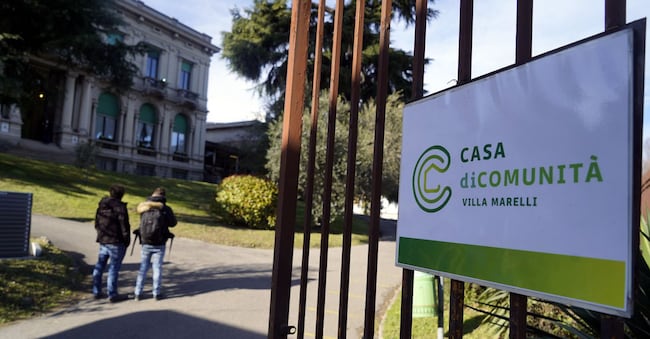
On 29 July, the Minister for Health informed the Chamber of Deputies that the target agreed with the EU had been met on schedule: at least 1,038 Community Care Homes are now operational. The National Recovery and Resilience Plan (PNRR) has allocated 15.63 billion to healthcare, which has been channelled into community care homes and hospitals, telemedicine and electronic health records. If this were a match, the first half would be in the bag. The second half consists of making all this work on a day-to-day basis, with the staff we have. That first half is the work of the Ministry, the regions and the health authorities.
The ‘second half’
The second half begins with a figure. Parliament is currently deciding how much the Health Fund will amount to in 2027: under the budget, it would rise by 3.4 billion to 146.3. Between 2022 and 2024, expenditure on staff rose by an average of over 3 per cent a year, expenditure on medicines by almost 7 per cent, and expenditure on medical devices by almost 5 per cent (data from OASI and the Court of Auditors). These are contracts that need renewing and innovative treatments that we all want. If these trends were to continue, a large proportion of the new resources would be needed simply to keep the current system running. Very little would remain to implement the initiatives that have already been developed.
Stopping now would create two credibility gaps. The first is digital: every connected system increases the attack surface. In its October 2025 report, the National Cybersecurity Agency recorded an average of more than four attacks per month on healthcare facilities. A system used only partially carries the full risk but delivers only half the benefit. The second issue concerns the buildings: members of the public form their opinion the moment they walk in, and a Community Centre offering just one service becomes a visible sign of a job left half done. The aim was to provide the public with a credible alternative to hospital care.
Scaling up innovation
An invention is a technology that exists. It becomes an innovation when someone uses it every day and the way we work changes. In between lies adoption, and that is where the healthcare sector most often gets stuck. This is demonstrated by Proximity Care, a project run by the Scuola Superiore Sant’Anna, in collaboration with all local partners and with the support of the Fondazione Cassa di Risparmio di Lucca, which has monitored the population of an entire region in the inland areas of the province of Lucca: the technology arrived early, but the real work lay in implementing the innovation on a large scale by changing roles and organisational mechanisms. The results will be presented in Pisa on 26 November. Only innovation that changes practice truly matters.
Where to find people and resources
People and resources must largely be found within the system itself, in every area where existing facilities are operating efficiently, starting with hospitals. It is rather like a house move: working hours and resources are shifted from where they are least needed to where they are most needed. If further resources become available, it will be less of a struggle. It will have to be done in any case.

