

Healthcare: from delays in treatment to the shortage of doctors – here’s the crisis response toolkit
Combining telemedicine, PNRR tools and multidisciplinary training to bridge the gap between hospitals and the local community, ensuring timely care even in emergencies: an update on the Resil-Card project

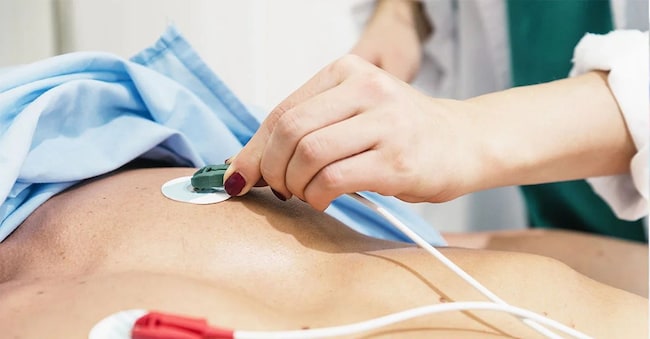
Delays in emergency treatment due to sudden staff shortages, outlying hospitals cut off due to a lack of telemedicine systems, and vulnerable patients having to stop life-saving check-ups because the channels of communication between hospital wards and the local community break down. These are the specific healthcare challenges that risk paralysing cardiological care in crisis situations, such as during a pandemic or a war, identified using the Resil-Card tool developed as part of the European project of the same name.
The project
Launched as part of the EU4Health programme and in close alignment with the Jacardi Joint Action on cardiovascular diseases and diabetes, the Resil-Card project aims to provide a systematic response to the key lessons learnt from the Covid-19 pandemic, with the aim of supporting organisations providing cardiovascular care in strengthening their preparedness, improving the coordination of services and safeguarding patients’ health outcomes in times of crisis. The project, which has the Italian Society of Interventional Cardiology (GISE) as its scientific partner for Italia, was the focus of the working group on welfare at the ‘Gap to Care’ event, an initiative within which Resil-Card – coordinated by GISE itself as part of the consortium led by We Care – represents one of the strategic tools for strengthening the resilience of cardiovascular care at a national level.
The lessons of Covid
“Past experience has shown that a lack of structured preparedness for prolonged emergencies – whether health-related, environmental or geopolitical – can lead to a drastic reduction in hospital admissions, life-threatening delays in diagnosis and a rise in preventable mortality,” says Alfredo Marchese, director of the Interventional Cardiology Unit at Santa Maria Hospital in Bari and president of GISE. In times of global crisis, such as during the Covid-19 pandemic, interventional centres experience a dramatic decline in activity, estimated at between 35% and 70% globally. Data from the international scientific literature paint a striking picture: during the first wave of the pandemic, there was a 75% drop in the total number of procedures, whilst post-operative mortality sadly doubled or tripled, rising from 1.7% to 5.7%.”
In this context, Gise ‘plays a key strategic role through its national network of interventional cardiology centres, promoting the adoption of the Resil-Card tool in Italian centres and guiding the transition towards more flexible and resilient organisational models. ‘The tool acts as an X-ray of the clinical pathway, mapping resources, data flows and stakeholders to highlight the facility’s weaknesses and generate plans for continuous improvement,’ Marchese adds.
The strategy
The action strategy promoted by Gise is structured around three key areas aimed at radically transforming the approach to the management of cardiovascular care. ‘The first pillar concerns training and organisation, with the launch of national educational programmes and the creation of multidisciplinary “Resilience Teams” within hospitals across all regions of the country,’ explains Marchese. The second pillar addresses cultural aspects and clinical integration, pushing for extensive digitalisation and the use of telemedicine in full alignment with the investments set out in the National Recovery and Resilience Plan (PNRR), thereby bridging the long-standing divide between acute hospital care and community services. With a focus on efficiency, the third area of intervention focuses on economic sustainability and equity of access through a value-based approach, capable of optimising the use of resources, eliminating unnecessary costs and ensuring the same quality of care both in large metropolitan areas and in more peripheral and disadvantaged areas.”

