
The heatwave alert

Hot weather and nutrition: fruit and vegetables to stay hydrated, but also ice cream, fish and pulses

From a light breakfast to skipping lunch altogether, with meals rich in water and low in salt: the National Institute of Health has issued ten tips for tackling the already sweltering summer with a varied and ‘sustainable’ diet

by Health Editorial Team

 altitudevisual - stock.adobe.com

4' min read

Translated by AI
Versione italiana

4' min read

Translated by AI
Versione italiana

“To cope with the heat, it is advisable to follow a light diet rich in fluids and minerals, eating plenty of fresh, seasonal fruit and vegetables.” This advice comes from Laura Rossi, director of the Food, Nutrition and Health Department at the Italian National Institute of Health (ISS), who has drawn up a set of guidelines in response to the ‘red alert’ temperatures already being recorded at the start of summer. The guidelines suggest avoiding fatty or overly processed foods but do allow for ‘treats’ such as ice cream as a snack.

It recommends not skipping breakfast, opting instead for yoghurt and fresh fruit. In general, we should stay hydrated with watermelon, melon, cucumbers and courgettes , which help to replenish the fluids lost through sweating. On the other hand, salt intake should be limited: the ISS advises reducing consumption, opting for iodised salt, and using very savoury sauces and condiments in moderation.

Loading...

Avoid fatty or overly processed foods. Ice cream is fine as a snack, preferably in small portions and without too many extras such as sprinkles or toppings.

Here are some tips on how to beat the heat through a healthy diet, compiled by the Department of Food, Nutrition and Health at the Istituto Superiore di Sanità.

Top tips

Hydration is essential: you should drink at least 2 litres of water a day, preferably between meals, to keep your body hydrated. In fact, the heat and the resulting perspiration also lead to faster dehydration, which is why the rule of two litres of water a day becomes even more essential during the summer months. It is therefore important to remember to drink without waiting until you feel thirsty: thirst is, in fact, a signal that is itself a symptom of dehydration.

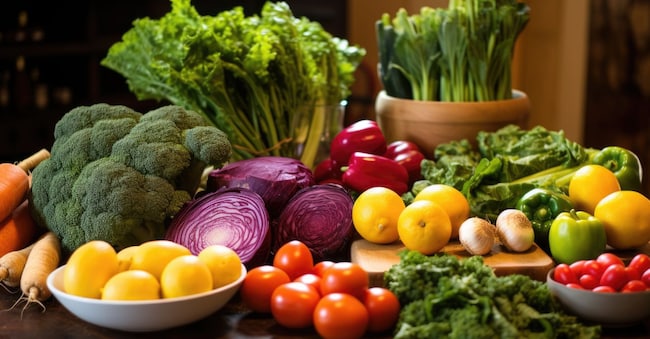
You should also eat generous portions of fresh fruit and vegetables, preferably in season, which are rich in vitamins and minerals. Foods such as watermelon, melon, cucumbers, courgettes, peaches, strawberries, cherries, apricots, figs, berries, tomatoes, aubergines and celery are particularly suitable.

Low-calorie meals

The rule is to opt for light, low-calorie and easily digestible meals, such as mixed salads, cold pasta with vegetables, lightly seasoned fish, white meat or pulses. ‘Let’s avoid set menus with a starter, main course and side dish,’ emphasises Rossi. ‘Especially when travelling or staying in a hotel, it’s easier to give in to the temptation to eat several courses, partly because of the wide choice and the buffet.’

It is best to choose either the first or the second option, alternating between them at lunch and dinner, and always serving them with a side dish, so as to create complete, balanced and nutrient-rich meals.

Among the possible combinations, we can recommend: pasta with pulses and/or vegetables, rice with vegetables, meat with salad, fish with vegetables and/or eggs with vegetables and so on’.

Limit your intake of high-fat foods, fried foods, sauces, and foods that are overly seasoned or heavily processed, as these can make digestion more difficult.

Don’t skip breakfast

Breakfast is a very important meal that people tend to skip, particularly when it’s hot. It’s the meal that breaks the night-time fast. When it’s hot, we should avoid breakfasts that are too high in sugar and fat, opting instead for a balanced nutritional intake.

Plain yoghurt and fresh seasonal fruit are particularly recommended for beating the summer heat, perhaps accompanied by a handful of dried fruit and cereals.

Avoid alcohol and sugary drinks

Alcohol and sugary drinks can contribute to dehydration and slow down digestion. Just as it is important to drink plenty of water, it is equally important to limit your intake of alcohol, which contributes to dehydration.

Cocktails – both alcoholic and non-alcoholic – and fizzy drinks should also be avoided. The thirst-quenching effect of alcoholic drinks is only apparent, whilst the sugar content is very real. The same applies to soft drinks, which contribute to raising sugar levels in our bodies.

Cold infusions made with seasonal fruit and herbs are therefore preferable to these.

Fresh snacks and ice cream

The ISS recommends including fresh, light snacks in your diet, such as yoghurt, fresh fruit, smoothies or vegetable juices, to maintain a steady intake of fluids and nutrients.
Ice cream is fine in moderation. ‘Even ice cream,’ emphasises Rossi, ‘can be an excellent snack provided it’s a small portion; otherwise, it becomes a meal replacement. We tend to think that fruit flavours can be eaten in greater quantities than cream-based ones, but in reality the difference in calorie content between the two types is quite small.’

Nuts (hazelnuts, almonds, peanuts and so on) can also make a good snack during the summer, provided you choose appropriate portions (30 g) and natural products with no added salt or sugar.

Tips on food storage

Take care to store food properly, especially perishable items, to avoid the risk of contamination, particularly if you’re planning a picnic or a day trip to the beach and are taking food with you. In summer, when it’s hot, it’s important to store food correctly and maintain the cold chain for all foods that require it.

Storing food correctly in the fridge is important, not only for our health and that of our loved ones, but also to preserve the properties and nutritional value of the food. Heat is the enemy of food preservation. It causes all food to spoil prematurely, with the risk of causing food poisoning.

Green light for pulses

In Italia, we eat very few pulses, which are, in fact, an important source of plant-based protein. Furthermore, we tend to eat pulses mainly during the winter months, whereas in summer there are plenty of opportunities to incorporate them into our diet by adding them to salads or eating them as a side dish, for example, or in cold soups or tasty puréed soups.

Animal proteins are also important, and in summer we should choose protein sources that are lower in fat and salt, such as seasonal fish – that is, fish that are not currently in their spawning season, such as sea bream, sole, sea bass and sardines – and white meat.

Instead, we should limit our intake of red meat and processed meats, which are high in salt and saturated fat.

Copyright reserved ©
Loading...

Brand connect

Loading...

Newsletter

Notizie e approfondimenti sugli avvenimenti politici, economici e finanziari.

Iscriviti