

Hot weather and diet: fruit and vegetables to hydrate but also ice cream, fish and pulses
From a light breakfast to a full lunch with foods rich in water and low in salt: from the Istituto Superiore di Sanità the decalogue to face the already scorching summer with a varied and 'sustainable' diet
4' min read
Key points
4' min read
"To cope with the heat, it is advisable to follow a light diet rich in liquids and mineral salts, consuming lots of fresh seasonal fruit and vegetables". This indication comes from Laura Rossi, director of the Food, Nutrition and Health Department of the Istituto Superiore di Sanità (Iss), who, faced with temperatures that are already red hot at the beginning of summer, has produced a decalogue. She suggests avoiding fatty or overly processed foods, but also allows 'gluttonous' foods, such as ice cream, preferably small and simple, for a snack. And it recommends not skipping breakfast, preferring yoghurt and fresh fruit. In general, we should hydrate ourselves with watermelon, melon, cucumbers and courgettes, which help to replenish the liquids lost through sweat. On the other hand, salt should be limited: the Iss recommends reducing salt consumption, preferring iodized salt, and moderating the use of sauces and very tasty condiments.
Don't skip breakfast, preferring yoghurt and fresh fruit. Avoid fatty or overly processed foods, in favour of foods that help replenish fluids lost through sweating, such as watermelon, melon, cucumbers and courgettes. Yes to ice cream as a snack, preferably small and without too many additions such as grains or icing. These are some tips to fight the heat with a correct diet elaborated by the Food, Nutrition and Health Department of the Istituto Superiore di Sanità.
The first tips
.Hydration is crucial: one must drink at least two litres of water a day, preferably outside meals, to keep the body hydrated. In fact, the heat and the resulting body sweat also lead to faster dehydration, which is why the rule of two litres of water a day becomes even more necessary in the summer months. It is important, therefore, to remember to drink without waiting to feel thirst: this is in fact a stimulus that is in itself a symptom of dehydration.
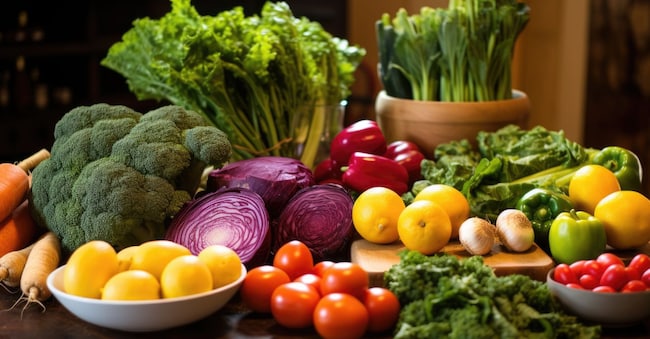
It is then necessary to consume generous portions of fresh fruit and vegetables, preferably in season, rich in vitamins and minerals. Foods such as watermelon, melon, cucumbers, courgettes, peaches, strawberries, cherries, apricots, figs, berries, tomatoes, aubergines and celery are particularly suitable.
Low-calorie meals
.The rule is to prefer light, low-calorie and easily digestible meals, such as mixed salads, cold pasta with vegetables, lightly seasoned fish, white meat or pulses. 'Let's avoid menus with a first course, second course and side dish,' emphasises Rossi. Especially when travelling or staying in a hotel, it is easier to fall into the desire to eat several courses, also because of the wide choice and the buffet. It is better to opt for a first or second course, alternating the courses at lunch and dinner, always accompanying them with a side dish, in order to create complete meals and single dishes that are balanced and rich in nutrients. Possible combinations include: pasta with legumes and/or vegetables, rice with vegetables, meat with salad, fish with vegetables and/or eggs with vegetables, and so on'. Limit consumption of fatty, fried, overly seasoned or processed foods, which can weigh down the digestion.

