Cold in the North

Rules and restrictions for switching on heating according to climate zones

In northern Italy, the rules for switching on the heating vary according to climate zone, with restrictions on the dates and hours of use. The rules are different for those who live in blocks of flats and for those who have an autonomous system

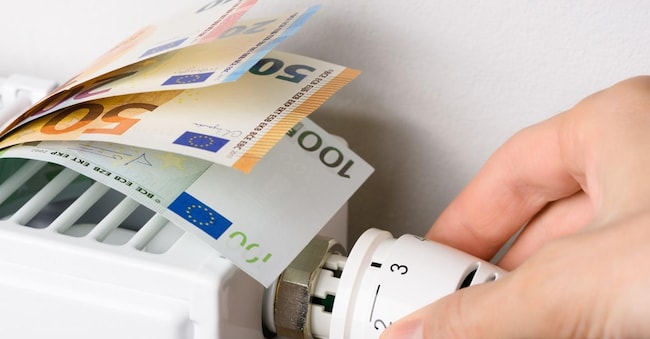
Riscaldamento: ecco chi può accendere i termosifoni e chi no

3' min read

3' min read

The bitter cold in some parts of northern Italy has made the topic of switching on the heating once again central. At the moment, there are no plans to bring forward the start-up in Veneto and Emilia Romagna after the recent heavy waves of bad weather and the generalised drop in temperatures across the region. The switch-on and switch-off dates are pre-set and vary according to the climate zone in which one's home is located, in compliance with Presidential Decree 74 /2013, which also establishes the maximum daily hours of use and the permitted temperature, with the possibility of exceptions in particular cases.

The climate zones

.

Italy is divided into six climate zones, identified on the basis of the average annual temperature of different areas of the country, with a margin of flexibility left to the municipalities if there are particular weather conditions.

Loading...

Zone A includes the islands of Lampedusa, Linosa and Porto Empedocle: heating can be turned on from 1 December for a maximum of 6 hours a day and must be turned off by 15 March; Zone B includes hot provinces such as Agrigento, Palermo, Catania and Reggio Calabria. Heating can be turned on from 1 December for a maximum of 8 hours a day, and must be turned off by 31 March. Moving up the boot in zone C are cities such as Naples, Salerno, Cagliari and Taranto. Here, heating can be switched on from 15 November for a maximum of 10 hours per day, with switch-off by 31 March.

Bonus casa in frenata: ecco come cambiano le agevolazioni

Zone D includes cities such as Rome, Florence, Genoa and Pescara: heating can be turned on from 1 November for 12 hours a day and turned off by 15 April; Zone E covers most of northern and central Italy, including cities such as Milan, Turin, Bologna and Venice. Here, radiators can be turned on from 15 October for 14 hours a day and off until 15 April; finally, zone F with the coldest areas such as Belluno, Trento and Cuneo. In this zone, there are no restrictions on the dates for switching the heating on and off.

Firing before time

.

Pursuant to Article 4, paragraph 3 of Presidential Decree 74/2013, it is possible to turn on the heating systems even in the absence of a trade union ordinance before the scheduled dates when it is nearly below seasonal averages, but for a total duration not exceeding half of the ordinarily permitted duration.

In the 2022-2023 season, the Decree of the Minister of Ecological Transition 383/2022 changed the operating time limits of thermal plants with the aim of saving energy. The operating period was reduced by 15 days as was the maximum temperature (below one degree) and the number of hours per day.

Individual and condominium installations

.

For the purposes of compliance with the dates, however, a distinction must ultimately be made between the case of those who live in a block of flats, or who use a central heating system, and those who have an independent system. In a condominium, the switching on of the heating system, in compliance with the regulations in force, provides for an assembly passage on the daily switching on and off times. Those who have an individual system, on the other hand, decide these independently.

Therefore, if those who have independent heating can switch it on ahead of time, those who live in apartment blocks will have to notify the administrator, who will convene a meeting on the subject.

Exemptions and Sanctions

.

Hospitals, clinics or nursing homes and the like are excluded from compliance with the rules of the Decree limited to areas reserved for the stay and medical treatment of patients or guests. For swimming pools, saunas and the like, for the premises of diplomatic representations and international organisations that are not located in apartment buildings, the authorities may grant justified exemptions. The same applies to buildings used for industrial, craft and similar activities if technological or production requirements require temperatures that differ from the limit values or if the thermal energy for summer and winter room air conditioning comes from a source that cannot be conveniently used in any other way.

On the sanctions front, as a general rule, pursuant to Article 7 paragraph 1 of Legislative Decree 192/2005, responsibility falls on the owner, the tenant, the condominium administrator, or on their behalf a third party, the so-called third party responsible for taking responsibility, maintaining the systems and ensuring that control and maintenance operations are carried out. The operator in charge of control and maintenance who fails to draw up and sign the technical control report shall be punished with an administrative sanction of not less than 1,000 euro and not more than 6,000 euro. Similarly, the person in charge of the installation and the third party responsible are subject to the same sanction.

Copyright reserved ©

Brand connect

Loading...

Newsletter

Notizie e approfondimenti sugli avvenimenti politici, economici e finanziari.

Iscriviti