

Hepatitis B: US stops vaccination within 24 hours of birth
Cancelled the recommendation introduced in 1991 that led to a drop in cases in newborns: no longer necessary if the mother is negative for the test

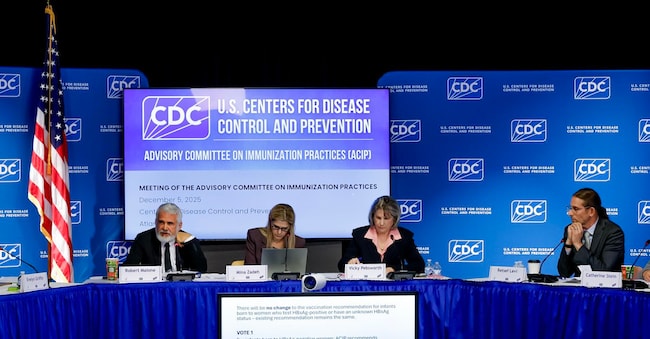
The Vaccine Advisory Committee of the US Centers for Disease Control and Prevention (CDC) has revoked a recommendation in place since 1991 that all newborns should receive a first dose of the hepatitis B vaccine within 24 hours of birth.
The vote came after days of heated debate and controversy, but also calls from public health experts for the recommendations to be maintained. There were strong objections, especially from doctors, who argued that the long-standing vaccination strategy had succeeded in minimising the impact of the virus among young Americans.
No vaccine if mother tests negative
The Vaccine Committee cast eight votes in favour of removing the recommendation and three votes against. For the experts, appointed by US Secretary of Health Robert F. Kennedy Jr. who, before becoming the country's top health official, campaigned for an overhaul of prophylaxis, neonatal vaccination is no longer necessary for children born to mothers who tested negative for the virus: the suggestion to parents is to delay the first dose for at least 2 months and to consult their doctor to decide whether and when to start the 3-dose course.
Supporters of the change argued that the universal recommendation, regardless of risk, was overly broad and compromised the possibility of informed choice. The expert advisory panel's recommendation is now being sent to the acting director of the Centers for Disease Control and Prevention for final approval.
What Hepatitis B is
Hepatitis B is a serious liver infection that, for most people, lasts less than six months. But for some, especially infants and children, it can become a long-term problem that can lead to liver failure, liver cancer and cirrhosis.

