
Here is the OnePlus Pad 3, too powerful to be just a tablet
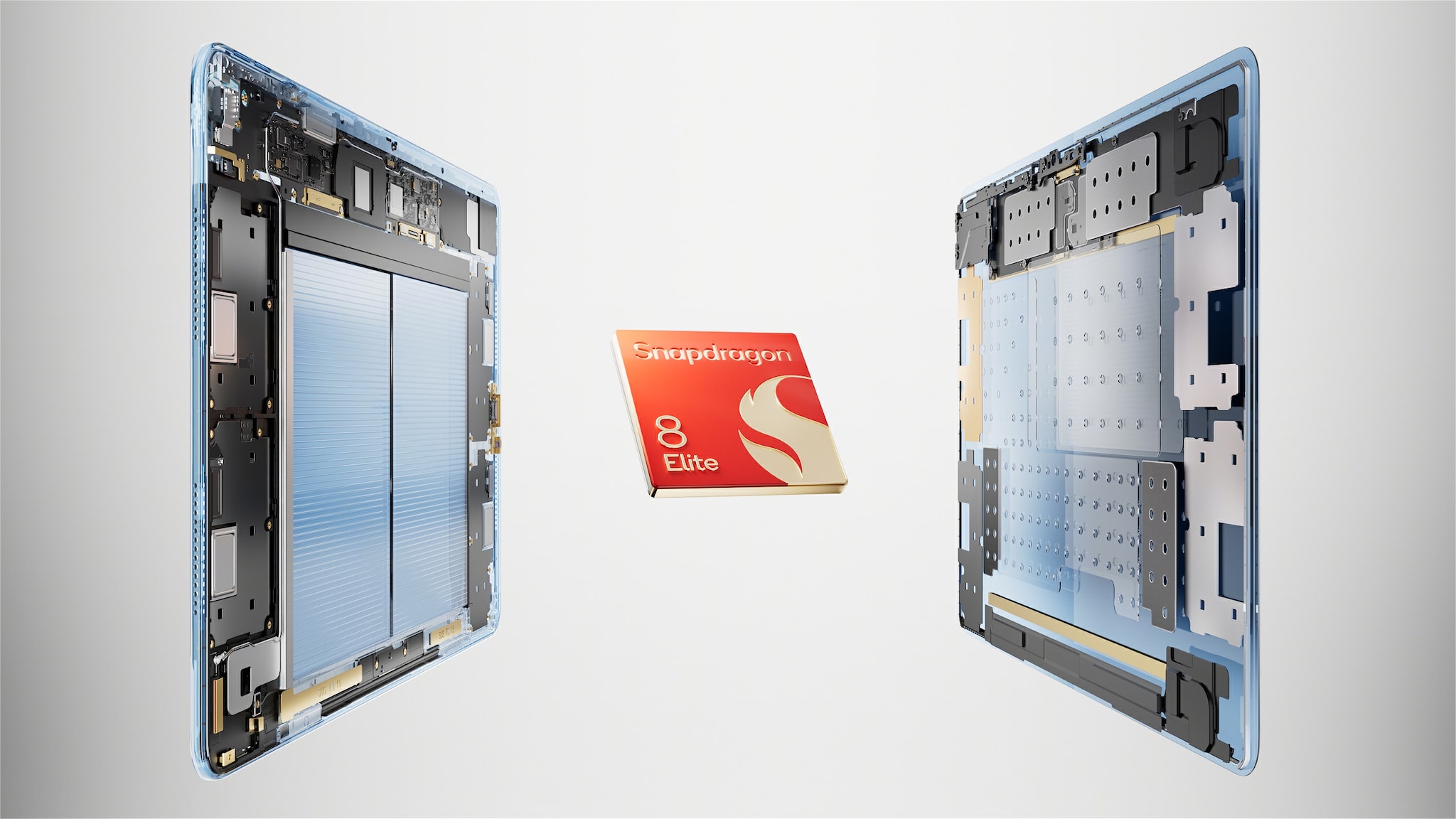
It is the first device to use Qualcomm's powerful Snapdragon 8 Elite. It aims to position itself between a simple multimedia tablet and a laptop computer

2' min read
2' min read
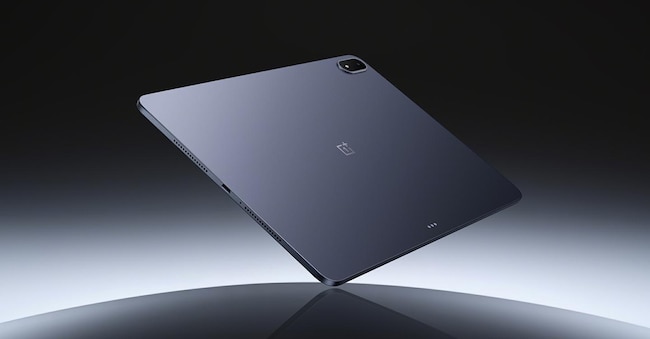
OnePlus builds tablets like smartphones. When it can, it stuffs them with technology and always tries to make them not only more powerful but capable of doing things that others don't. The OnePlus Pad 3, which was unveiled a few days ago, is a perfect example of this philosophy. It is the first tablet to use Qualcomm's Snapdragon 8 Elite, the flagship mobile processor for 2025, designed to deliver desktop-level performance on high-end smartphones and tablets. It was born with a strong vocation for productivity because, in addition to power, it combines a user interface (Open Canvas) that is truly intuitive and designed to manage multiple apps simultaneously. We tested it for a few weeks and it is a candidate to be the tablet of choice whether you own a Mac or a Windows PC.
The limitations are the ones we know: it is a device that will never have the endurance and reliability of a business laptop. But, on the other hand, it has an absolute level of performance that makes it the mobile device that certifies the good things we have come to appreciate so far in the new generation of ARM architecture devices. To be more practical, we worked on several applications at once, put the tablet through its paces in cloud gaming and never had a problem with battery life, thanks to a monstrous 12,000mAh battery with 67W fast charging.
When you have it in your hands you immediately realise that it is really thin and light. The screen is over 13 inches big, with a particular format that is neither 16:9 nor 4:3 but something in between, which works well for both writing and watching a movie. Even under the sun the brightness holds up and the resolution is very high (2400 x 3392 and 144 Hz refresh rate), and it shows. The camera compartment, in tablet tradition, remains more modest: 13 MP on the back and 8 MP on the front.
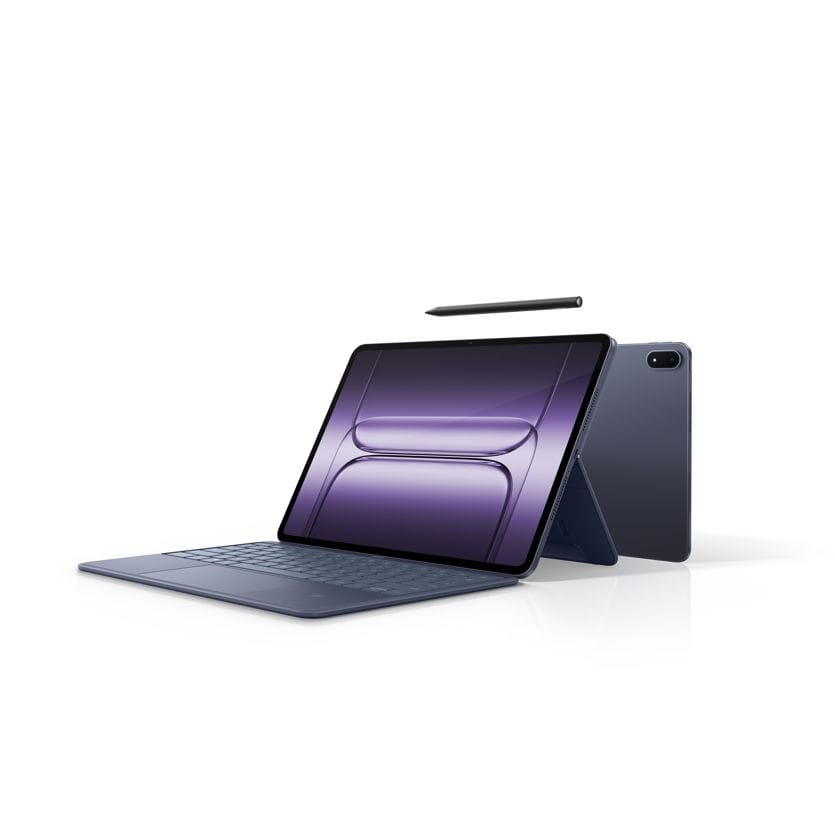
The audio, on the other hand, is amazing because there are eight speakers, four woofers and four tweeters, set up to sound good in every orientation. And when you hold it in your hand, the sound seems to come out all around. On the software side, the operating system is OxygenOS 15 adapted for tablets, which gives direct access to Google's Gemini for writing, summarising, translating or searching for something on the fly. Add to that the physical keyboard with well-spaced keys and the dedicated AI key, you have the stylus that recognises thousands of pressure levels and the magnetic case with three inclinations.
It doesn't have an OLED screen, it doesn't have a jack and it doesn't have a SIM card, but it is the first real attempt to annoy Apple's iPads and conquer the high-end of professionals. The price? The basic model with 12 GB RAM and 256 GB starts at 599 euros. To this can be added, separately, the keyboard (EUR 169) and the stylus (EUR 99).


