
Hi-tech and artificial intelligence, now the West is chasing China
However, China's path is not without obstacles, and one of its greatest weaknesses has emerged as a result of Western restrictions
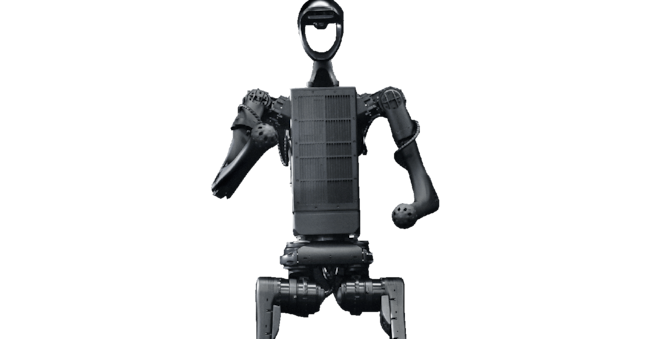
Once the subject of not-so-superficial stereotypes, China now lays down the law when it comes to technological innovation. This progress, as evidenced by Harvard's Critical and Emerging Technologies Index, is fuelled by a well-defined strategy that includes the implementation of five-year plans, a massive influx of state investment and the creation of specific industrial clusters. Thanks to this approach, Beijing has already achieved remarkable milestones in areas such as biotechnology and quantum technologies, and is rapidly advancing in the fields of artificial intelligence and semiconductors. However, China's path is not without obstacles, and one of its greatest weaknesses has emerged as a result of Western restrictions. The blockade on the export of crucial chip-making technologies has revealed a deep dependence on foreign suppliers. Faced with this vulnerability, the country reacted by accelerating its reshoring strategy, investing in human capital and devoting itself to the development of entirely domestic technological solutions. A commitment evidenced by initiatives such as the quantum network connecting Beijing and Shanghai and the national 'Made in China 2025' programme.
Generative AI no longer just West
While OpenAI and Gemini grab the headlines in the West, on the other side of the world Baidu, Alibaba and Tencent are working on large language models and image generators that benefit from access to huge datasets needed to train complex artificial intelligence systems. Platforms such as Seedream V4 and Tencent Arc represent the tip of the iceberg of a broader movement combining data availability, institutional support and a particularly dynamic research ecosystem. This combination of factors is creating the conditions for direct competition with Western solutions, not only in terms of output quality but also the speed of technological evolution. The investment in computing infrastructure and the concentration of talent in the artificial intelligence sector are fuelling a progress that is proceeding at a rapid pace, redefining the global competitive landscape of generative AI and creating credible alternatives to the models developed in Silicon Valley.
Wearable technologies
One example out of many is enough to understand how China is moving ahead in the technology sector. Huawei, after the well-known disagreements with the US administration, has been able to reposition itself as a supplier of wearable devices. The latest Huawei Watch GT 6 is a demonstration of how the Chinese giant has reached the pinnacle of combining design and hardware excellence. A watch that lasts between two and three weeks is hard to find, except in dedicated and very expensive brands. Something is still missing on the software side, at least as a wide range of choices, and it is here that Google's absence is felt most. That said, the speed at which new features are introduced and the aggressive pricing strategy of Huawei's wearables are forcing Western brands to rethink their development cycles and commercial policies.

