
High energy savings from new food preservation techniques
Pulsed electric fields can be an alternative or supplement to traditional thermal methods for preserving fruit juices

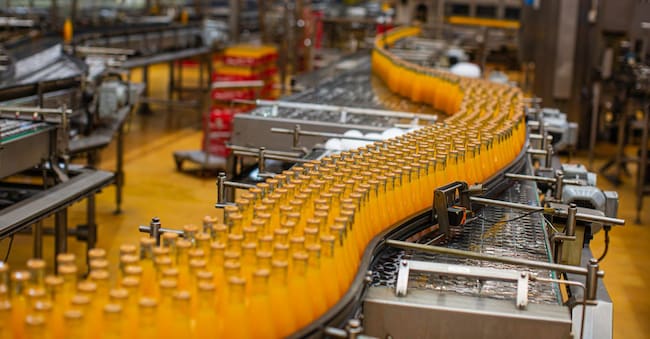
From the heat recovered in the pasteurisation of fruit juices, the energy to cut electricity consumption by 20% and thermal consumption by 60%. All thanks to pulsed electric field technology (Pef) This is what emerges from a study carried out by ENEA researchers in collaboration with the Department of Industrial Engineering of the University of Salerno.
In Pef treatment, the fruit juice is exposed to electrical pulses of very short duration and high intensity that damage the cell membranes of yeasts and pathogenic bacteria, significantly reducing the microbial load. Furthermore, Pef technology, which can be easily integrated into existing production lines, preserves product quality, maintaining nutritional value, flavour and colour for up to three weeks.
The starting point was an analysis of the various levels of efficiency in heat recovery and three different pre-heating temperatures of the fruit juice (35 °C, 45 °C and 55 °C) before Pef treatment.
As a case study, the research took a medium-sized industrial plant processing 16.5 million litres of orange juice per year.
"The adoption of more efficient and sustainable technologies is key to reducing energy consumption and gas dependence in the food industry," says Giovanni Landi, researcher at ENEA's Integrated Solutions for Energy Efficiency Laboratory and co-author of the study together with colleagues Miriam Benedetti and Mateo Sforzini and researchers Gianpiero Pataro and Elham Eslami from the University of Salerno -. Non-thermal technologies, such aspulsed electric fields can be an interesting alternative or possible supplement to traditional thermal methods for the preservation of liquid food. The most energy and environmentally efficient configuration involves recovering 35 per cent of waste heat from pasteurised juice, which is used to pre-heat new fresh juice to 55 °C.
The tested technology also 'preserves the quality of the product, maintaining nutritional value, flavour and colour for up to three weeks' and, in addition, can be integrated with existing technologies. .

