
Housing bonus: without a discount, one in four jobs are lost
A Nomisma study reports on investments in small renovations now that the season of more generous bonuses has ended

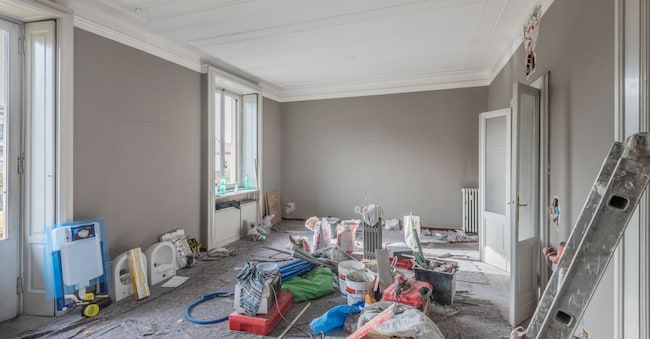
One in four Italians would not renovate their homes in the absence of bonuses. While for half of those who have carried out work, the presence of subsidies was decisive in deciding to take action. These are two figures contained in a study carried out by Nomisma and commissioned by Angaisa, the national trade association of specialised distributors operating in the plumbing and heating sector.
Data that tell very clearly how incentives are still a linchpin for this sector, which, after the end of the season of the most generous tax rebates (at the end of December, the superbonus will be cancelled for good, not reconfirmed under any circumstances with the new Budget law), has slowed down and now must necessarily go through a phase of adjustment.
We are, therefore, in a moment of normalisation for companies, characterised by greater market selection, less demand drive, margins under pressure and more cautious investments. "The climate of mistrust," comments Angaisa president Maurizio Lo Re, "is not destined to prevail in the medium term, and it is to be hoped that the institutions will devise a new strategy, compatible with the public finance framework, that will heal the wounds left by the rapid closure of the incentive season".
Hydraulics and plumbing
The other relevant data from the research shows how the plumbing sector and plant engineering (a sector that moves a total of EUR 42.8 billion) still manages to keep pace with the changes taking place: one Italian in two, in fact, is planning maintenance work over the next twelve months. Not only that. Two out of three Italians are looking at renovation as a project to be implemented in the next two to three years. And, of these, one in four is even already in the active phase of gathering information with planners and renovation and furnishing companies; they are, in essence, actively moving to carry out the work.
The interventions
Of these, the expected expenditure is approximately 37 thousand euro. With lower incentives, that is, the aim is no longer to revolutionise the home, but to immediately improve the rooms that make a difference in daily life, through lower investments. 45% of those interviewed, then, declared themselves interested in intervening primarily on bathrooms, 40% on outdoor spaces and facades, 35% on the kitchen and dining room, 30% on the living area and living room, 21% on the sleeping area.


