
Hot weather, cows produce little milk and the first damage is counted in the fields
According to Coldiretti, 10-15% less milk in Lombardy; damage to crops especially in the south, where drought is advancing, while bad weather is now feared in the north

2' min read
2' min read
The heat alert does not give most of Italy a respite and the first damage is also being recorded in the countryside, where even animals are suffering from the sultriness with cows only managing to produce between 70 and 90 per cent milk compared to the seasonal average. In the meantime, the first damage to crops is arriving, with scorched vegetables and fruit, with the drought alarm threatening the southern regions. pproblems also for harvesting activities with the blocking of activities in the central hours of the day.
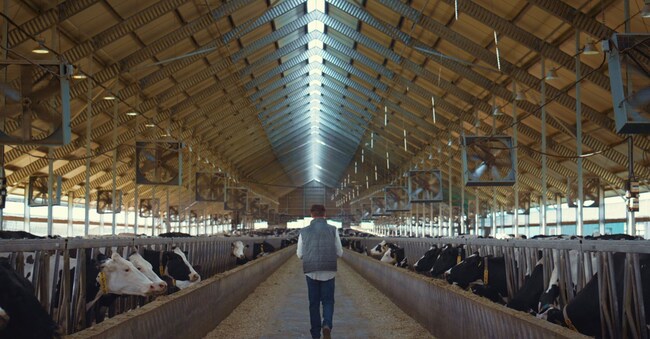
The alarm comes from an initial monitoring by Coldiretti, which emphasises how in Lombardy, where almost half of Italian milk is produced, the high temperatures are causing a drop in production of 10%, with peaks of up to 15%. This means that about 1.8 million litres of milk are produced every day less than in normal periods. In addition to the drop in production," Coldiretti emphasises, "there is alsoan increase in costs, with farmers who have already activated fans and showers in the stables to relieve the animals, while meals are supplemented with mineral salts and potassium, and are administered a little at a time to help the cows feed themselves at their best without becoming overweight.
Milk production is also under alarm in Molise where several farms are reporting a drop of up to 30%.
In Piedmont, the heat has brought ripening forward by 10 to 15 days especially for wheat, barley, tomatoes and grapes. In the province of Turin, producers resorted to tarpaulins to shade fruit and save it from sunburn.
There is also - again Coldiretti reports - an increased presence of Popilia Japonica, the Japanese beetle that affects vineyards and orchards.
In Tuscany, the heat has 'burnt' hundreds of kilograms of melons in the Maremma countryside, making them in fact no longer suitable for sale, while the alarm is also growing for watermelons, plums, peaches, tomatoes and aubergines;


