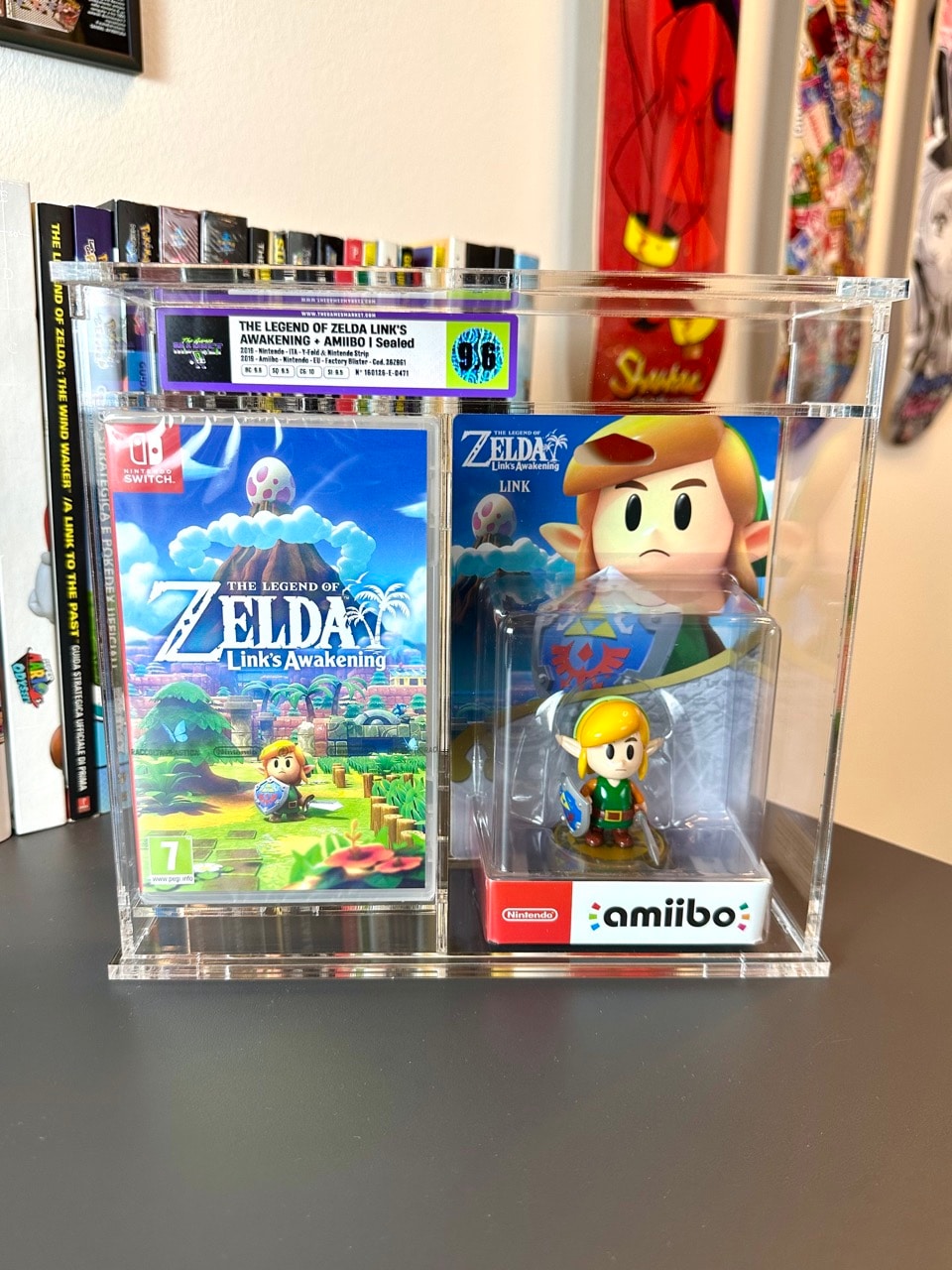
How much is your copy of Supermario worth? Collectors' auction site arrives in Europe
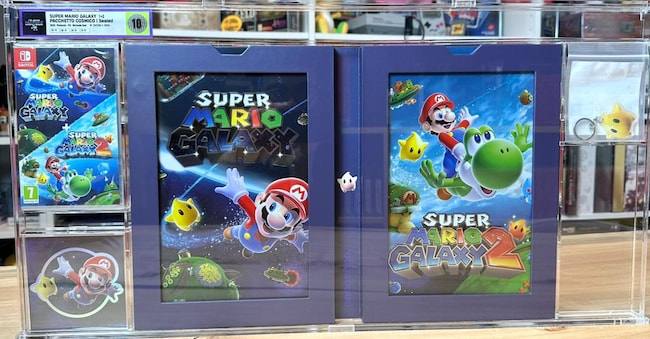
How much time did we spend on video games in our youth? And while we were jumping from tube to tube or shooting the umpteenth alien, who would have thought that the cartridge in the console would be worth 2 million? Yes, even old video games have become part of the incredible world of collectables, a global market that exceeded $300 billion last year and promises to reach $500 billion by 2033. Super Mario, Sonic and co. represent a still small slice of this pie, but there is no shortage of striking cases such as the aforementioned $2 million Super Mario Bros. and the copy of Super Mario 64 sold for over 1.5 million. Beware, however: we are not talking about the old cassette tape left in the attic gathering dust, but about editions in perfect condition, still unopened in their original packaging and evaluated by a team of experts, because the risk of finding a fake is very high.
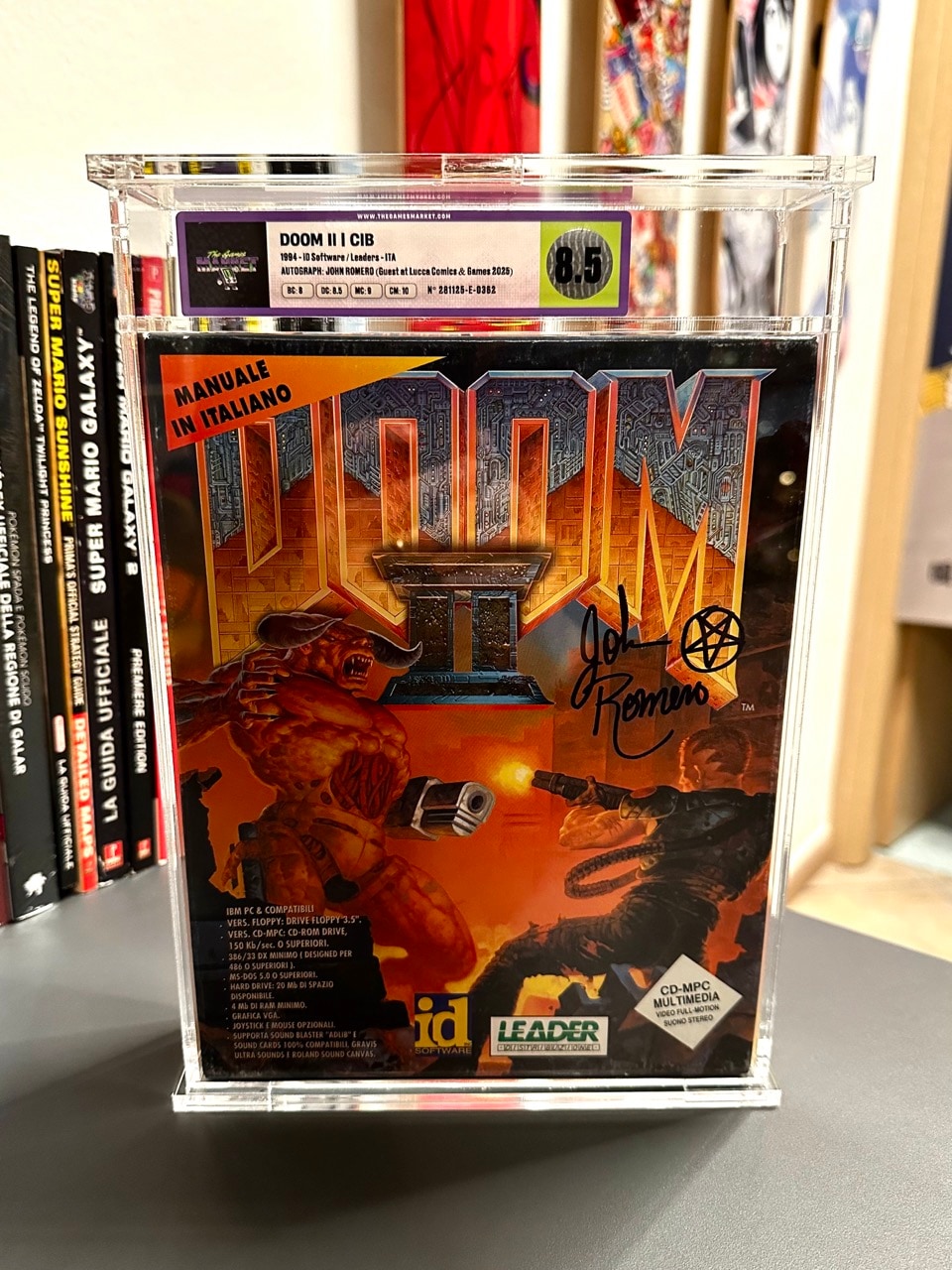
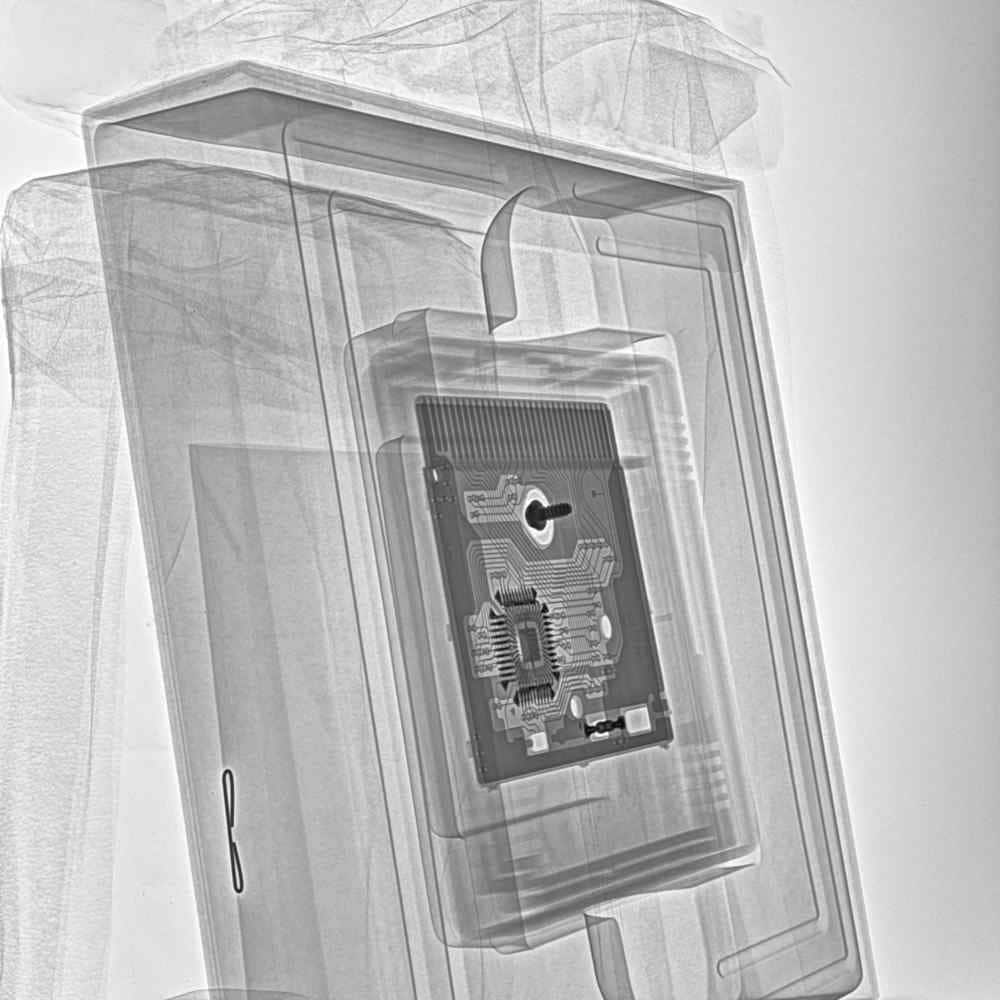
"Video game counterfeiters," says Alberto Trussardi, founder of The Games Market (TGM), "create incredibly accurate copies in professionally sealed packages that can only be discovered with state-of-the-art technology. Indeed, The Game Market is Europe's first ISO 9001-certified service dedicated to the 'grading' (that's the name given to the professional evaluation of a collectible) of video games and boasts a laboratory where UV lamps and low-power X-rays are used to check products through an extremely rigorous process and put them in a display case.
The phenomenon of collecting was certainly not born today, but the market that is being created around these rare objects has created the need to transform a nostalgic object into a certifiable asset. It is the same path that comics, trading cards and sports memorabilia have followed, only that the video game started later and we see dynamics already observed in the past in other sectors. In the US, where the phenomenon is much more mature, auctions of video games and game consoles are often organised, and certification has a huge influence on price dynamics. "A certified game," Trussardi confirms, "can be worth at least 10 times more than a version without warranties and, for really valuable pieces, no buyer will dare to shell out significant sums without reliable grading.
The size of the European market and the opportunities open
According to the European-based analysis, potentially collectible video games in circulation would be between 100 and 150 million pieces. Of these, the premium and investment segment, i.e. the segment of collectors willing to pay a premium for certification, traceability and professional preservation would create a market of around 2.5 billion. This is a road that needs time to mature, but which is off to a good start with the first European auction of certified material organised by TGM together with Galleria Allegrini of Brescia and Meeting Art of Vercelli. The auction opened publicly on Wednesday 11 March 2026 from 6pm and will close on Wednesday 18 (first 25 lots) and Thursday 19 March (remaining 25). The total of 50 items will be available to the public at Meeting Art in Vercelli starting on Tuesday 3 March and include numerous rarities such as Space Invaders, Indiana Jones, Goonies, Metal Gear, Monkey Island, Pac Man, Play Station, Donkey Kong, ET, Prince of Persia, Zelda and Super Mario for a base auction value of more than €35,000. The presence of games 'graded' by other international bodies such as WATA/PSA and VGA will give an international flavour to the event and is the first 'test case' of European collectors' video game receptivity. Regardless of how it goes, one only has to look at the prices of old consoles and cartridges on enthusiast forums to realise that the phenomenon is set to align more or less quickly with what we already see in the US.